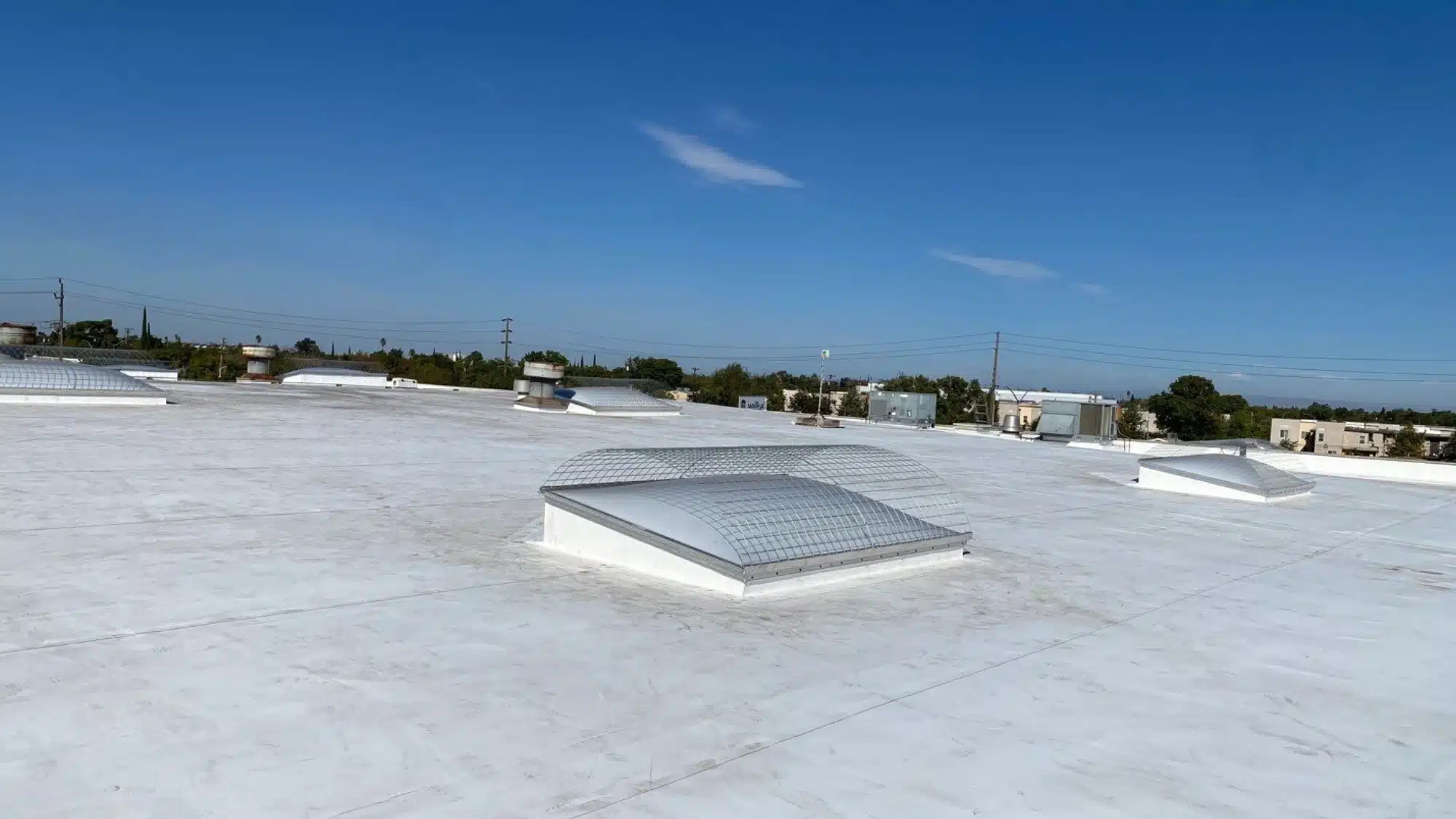
Commercial roofs are exposed to the elements every day. Over time, sunlight, changing temperatures, moisture, and normal weathering can gradually affect roofing materials and shorten the roof’s service life. For many commercial buildings, a professionally installed roof coating can provide an added layer of protection, but only when the existing roof is a good candidate for restoration.
If you’re considering a commercial roof coating in Pittsburg, CA, understanding how roof coatings protect commercial roofing systems can help you make a more informed investment.
1. Understand How UV Exposure Affects Commercial Roofs
Constant exposure to ultraviolet (UV) rays can gradually break down roofing materials, especially on flat and low-slope commercial roofs.
As roofing systems age, they may begin to show signs such as:
- Surface deterioration
- Cracking or splitting
- Membrane wear
- Reduced weather resistance
Routine inspections help identify these issues early, allowing property owners to address concerns before they require more extensive repairs.
2. Roof Coatings Add an Extra Layer of Protection
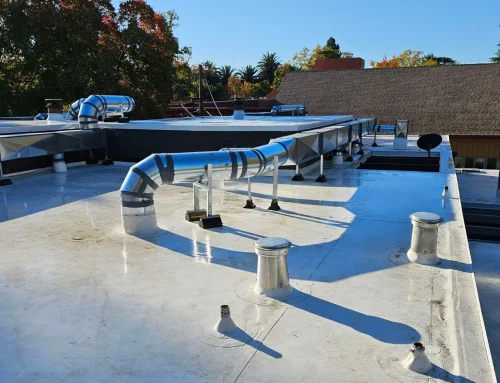
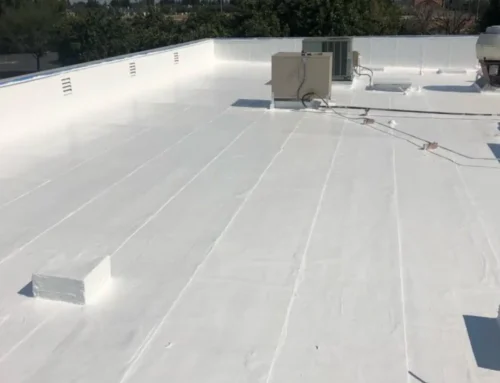
Commercial roof coatings are designed to restore and protect qualifying roofing systems by creating a seamless protective layer over the existing roof.
When professionally installed on an appropriate roof, coatings can help shield the surface from continued weather exposure while supporting the roof’s long-term performance. Rather than immediately replacing an aging roof, restoration may provide a practical solution for extending its service life.
However, every roof is different, which is why a professional evaluation is essential before recommending a coating.
3. Different Roofs Require Different Coating Systems
No single coating works for every commercial roof.
Peterson Roofing offers several restoration systems, including:
- Silicone roof coatings for projects where moisture resistance is an important consideration.
- Elastomeric roof coatings that accommodate normal roof movement caused by changing temperatures.
- Urethane roof coatings for roofing systems that require enhanced durability in certain applications.
Selecting the appropriate coating depends on factors such as the roof’s condition, existing roofing material, and the building’s operational requirements.
4. Proper Preparation Is Essential
A successful roof coating project begins well before the coating is applied.
Professional preparation typically includes:
- Comprehensive roof inspection
- Cleaning the roof surface
- Identifying and repairing damaged areas
- Evaluating seams, flashing, and drainage
Addressing existing issues before restoration helps create a sound surface for the coating and supports long-term performance.
5. Continue Protecting Your Roof After Restoration
A roof coating is most effective when paired with an ongoing maintenance plan.
Routine inspections allow facility managers to monitor the roof’s condition, identify developing concerns, and perform minor repairs before they become larger issues. Preventative maintenance can help preserve the performance of both the roof and its coating while supporting long-term budgeting for future roofing needs.
Choose an Experienced Commercial Roofing Partner
Commercial roof restoration requires more than selecting a coating; it requires understanding whether restoration is the right solution for your building.
Peterson Roofing specializes exclusively in commercial and industrial roofing throughout Northern and Central California. The company provides commercial roof inspections, preventative maintenance, reroofing, roof replacement, emergency roofing services, and restoration systems using silicone, elastomeric, and urethane roof coatings.
If you’re exploring a commercial roof coating in Pittsburg, CA, Peterson Roofing can evaluate your roofing system and recommend the most appropriate solution based on its current condition. With decades of commercial roofing experience, their team helps businesses protect their investments through practical restoration strategies designed for long-term performance.