Elevate UltraPly TPO Roofing Systems
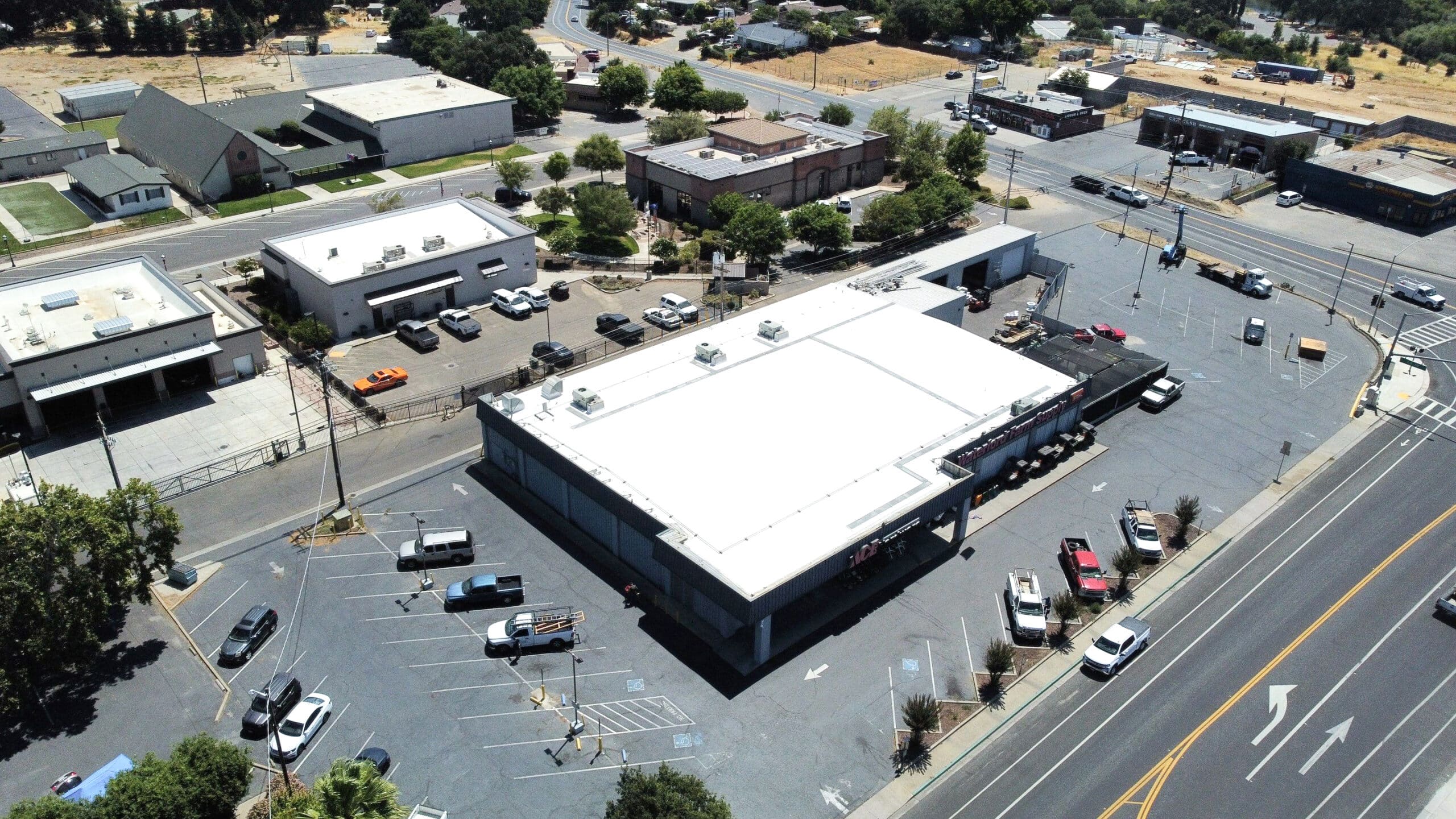
Peterson Roofing installs Elevate UltraPly TPO roofing systems for commercial flat and low-slope roofs. Elevate offers several reinforced TPO membrane configurations that address different installation conditions, building operations, performance requirements, and warranty goals.
Selecting the right Elevate TPO roofing system requires more than choosing a membrane. The roof deck, insulation, cover board, attachment method, drainage, penetrations, perimeter conditions, and compatible accessories must function as a complete assembly.
Peterson Roofing evaluates these elements before recommending an Elevate roofing system for a commercial property.
What Is Elevate TPO Roofing?
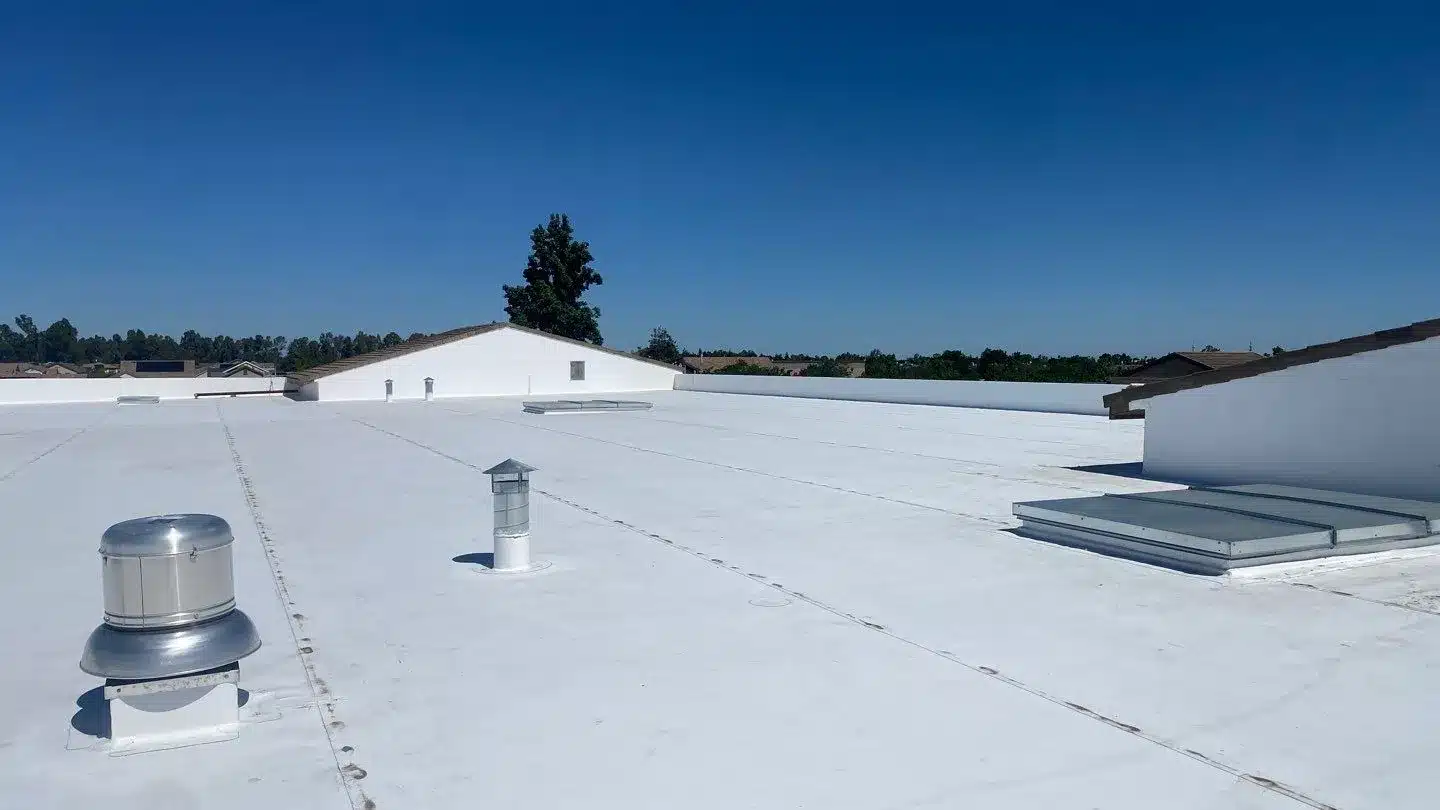
TPO stands for thermoplastic polyolefin. It is a reinforced, single-ply roofing membrane commonly specified for commercial flat and low-slope roofs.
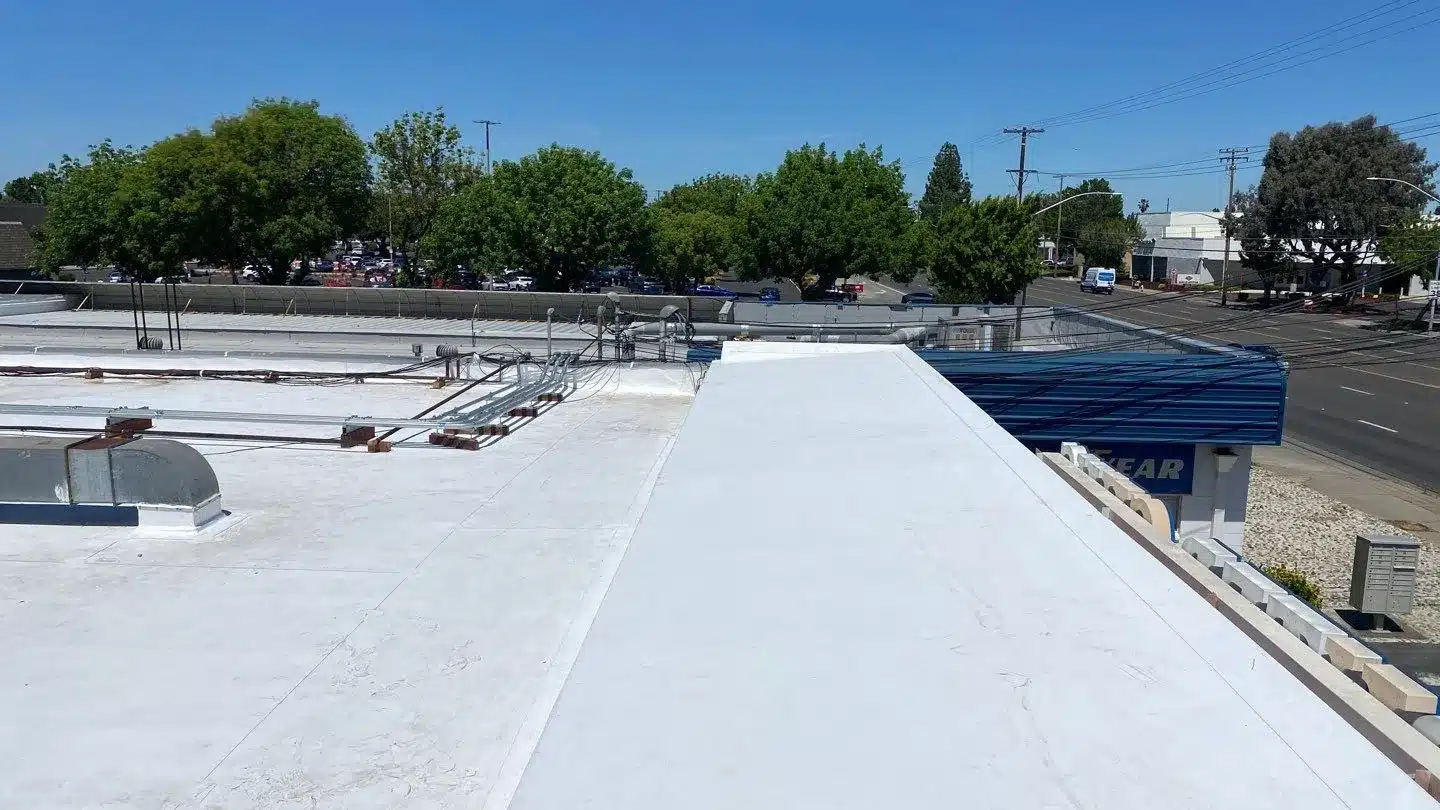
Elevate UltraPly TPO membranes use heat-welded seams and are designed to resist ultraviolet radiation, ozone, and exposure to common rooftop chemicals. Reflective membrane options may also help reduce solar heat gain at the roof surface when incorporated into an appropriate roof assembly.
Elevate TPO roofing is available in several membrane thicknesses and configurations. Depending on the product and approved roof assembly, installation methods may include mechanical attachment, full adhesion, self-adhered application, or induction-welded attachment.
The appropriate membrane and installation method depend on the building, roof deck, existing assembly, weather exposure, rooftop traffic, operational needs, and desired warranty coverage.
Benefits of Elevate TPO Roofing Systems
An Elevate roofing system may provide several advantages for an eligible commercial roof:
- Reflective membrane options can help reduce solar heat gain at the roof surface.
- Heat-welded seams form a continuous connection between adjoining membrane sheets.
- Reinforced membranes provide resistance to punctures and tears.
- Multiple membrane configurations allow the roof system to address different project conditions.
- Several attachment methods provide flexibility for compatible roof decks and assemblies.
- Self-adhered options can reduce odor and eliminate VOCs from the membrane adhesive.
- Fleece-backed options provide additional reinforcement for certain recover applications.
- Compatible accessories help address penetrations, transitions, perimeters, drainage areas, and other roof details.
Actual roof performance depends on the complete assembly, installation quality, climate, building use, rooftop conditions, and maintenance. An experienced Elevate TPO roofing contractor should evaluate these factors before recommending a product or attachment method.
Elevate UltraPly TPO Product Options
Comparing Elevate UltraPly TPO Systems
| Elevate product | Membrane configuration | Potential application |
|---|---|---|
| UltraPly TPO | Reinforced TPO membrane with multiple attachment options | A broad range of commercial low-slope roofing projects |
| UltraPly TPO SA | Reinforced membrane with factory-applied pressure-sensitive adhesive | Occupied buildings or projects where low-odor membrane installation is important |
| UltraPly TPO XR | Fleece-backed reinforced TPO membrane | Certain recover projects or roofs needing added puncture and impact resistance |
| UltraPly Platinum TPO | 80-mil scrim-reinforced TPO membrane | Projects seeking a heavier membrane and an eligible longer-term warranty assembly |
This comparison provides a general overview. Peterson Roofing will recommend a specific product only after evaluating the roof and project requirements.
Elevate TPO Roofing Installation Methods
The performance of an Elevate TPO roofing system depends partly on selecting an appropriate attachment method. Available methods vary by membrane, deck type, assembly, and project requirements.
Elevate TPO Roofing Installation Services
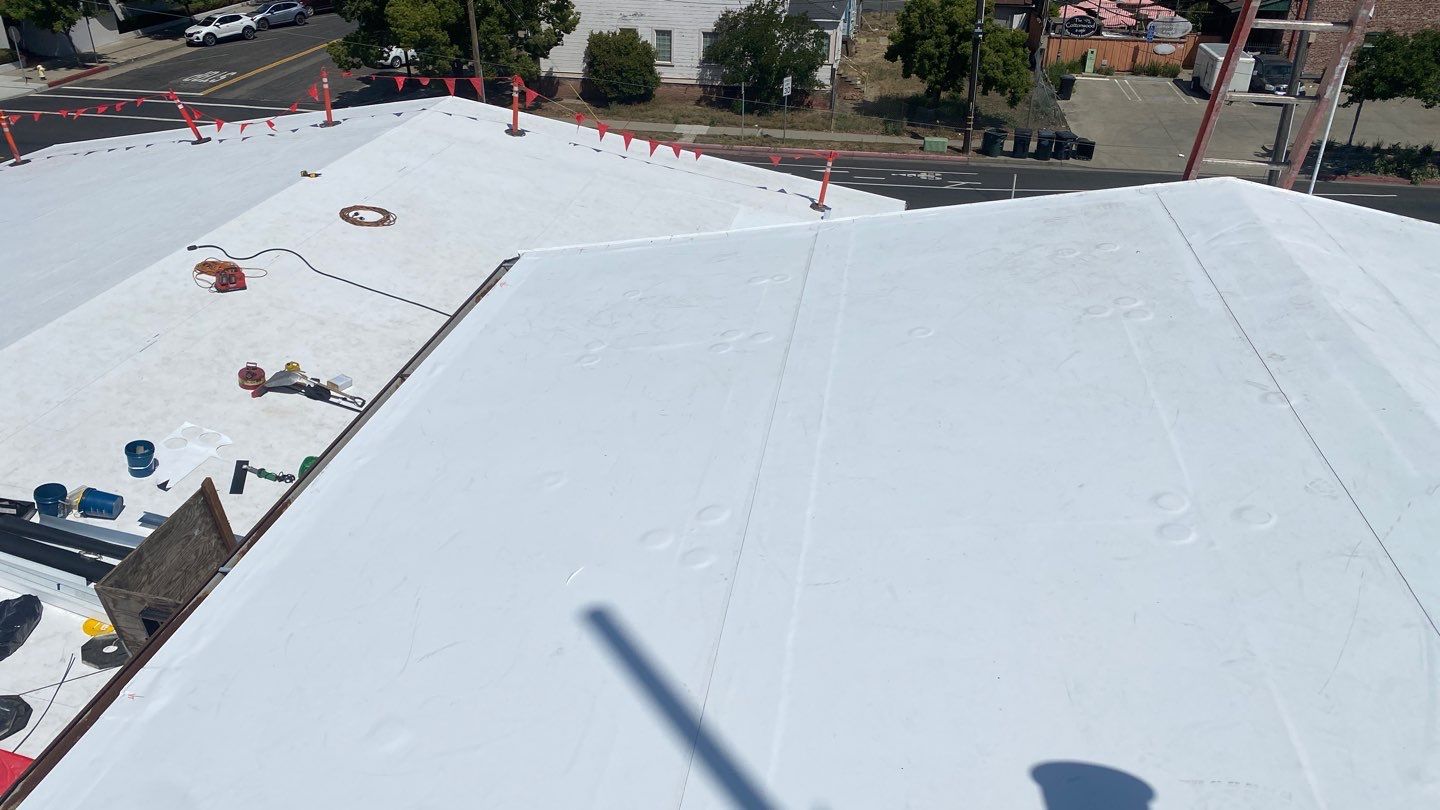
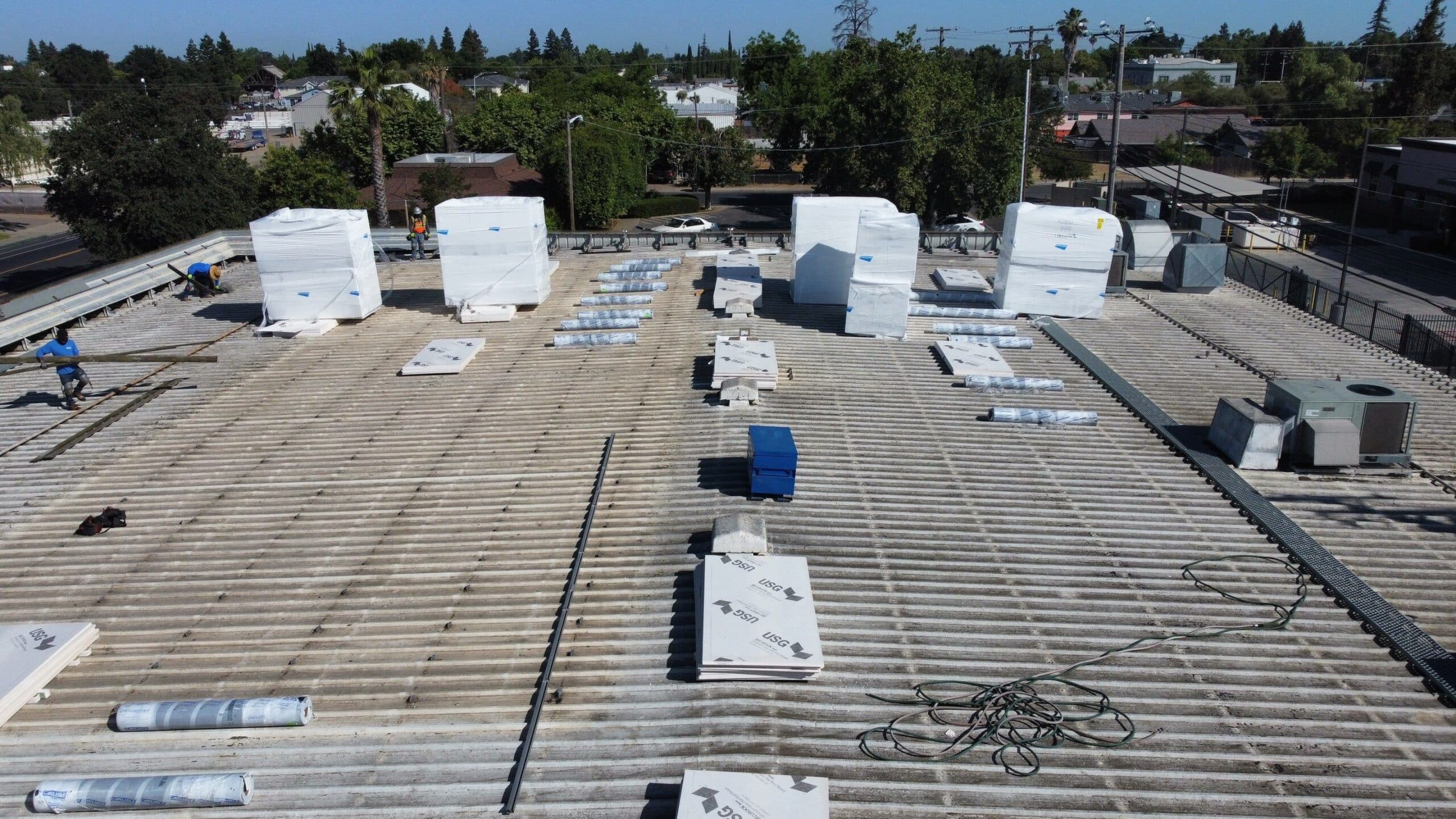
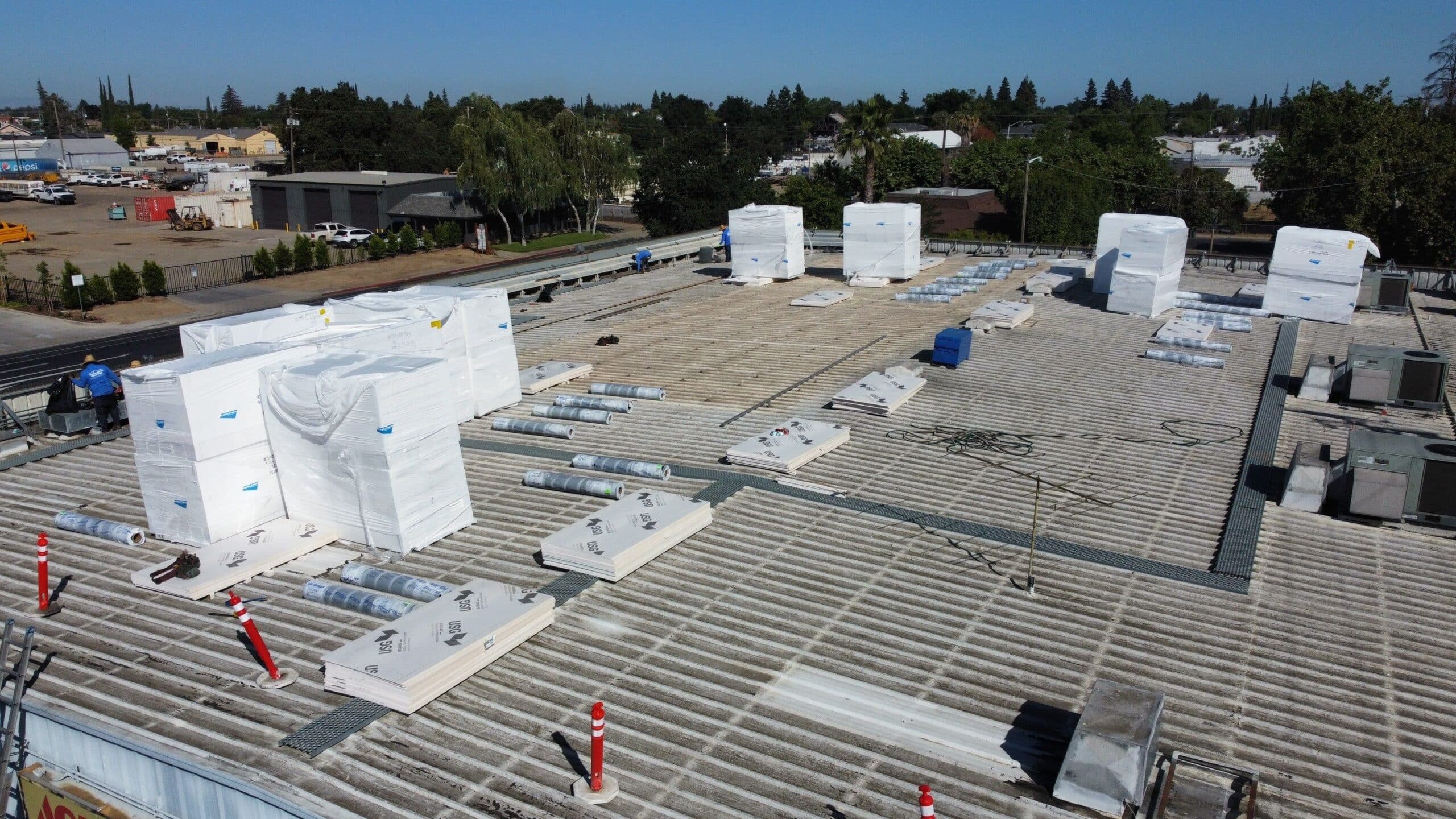
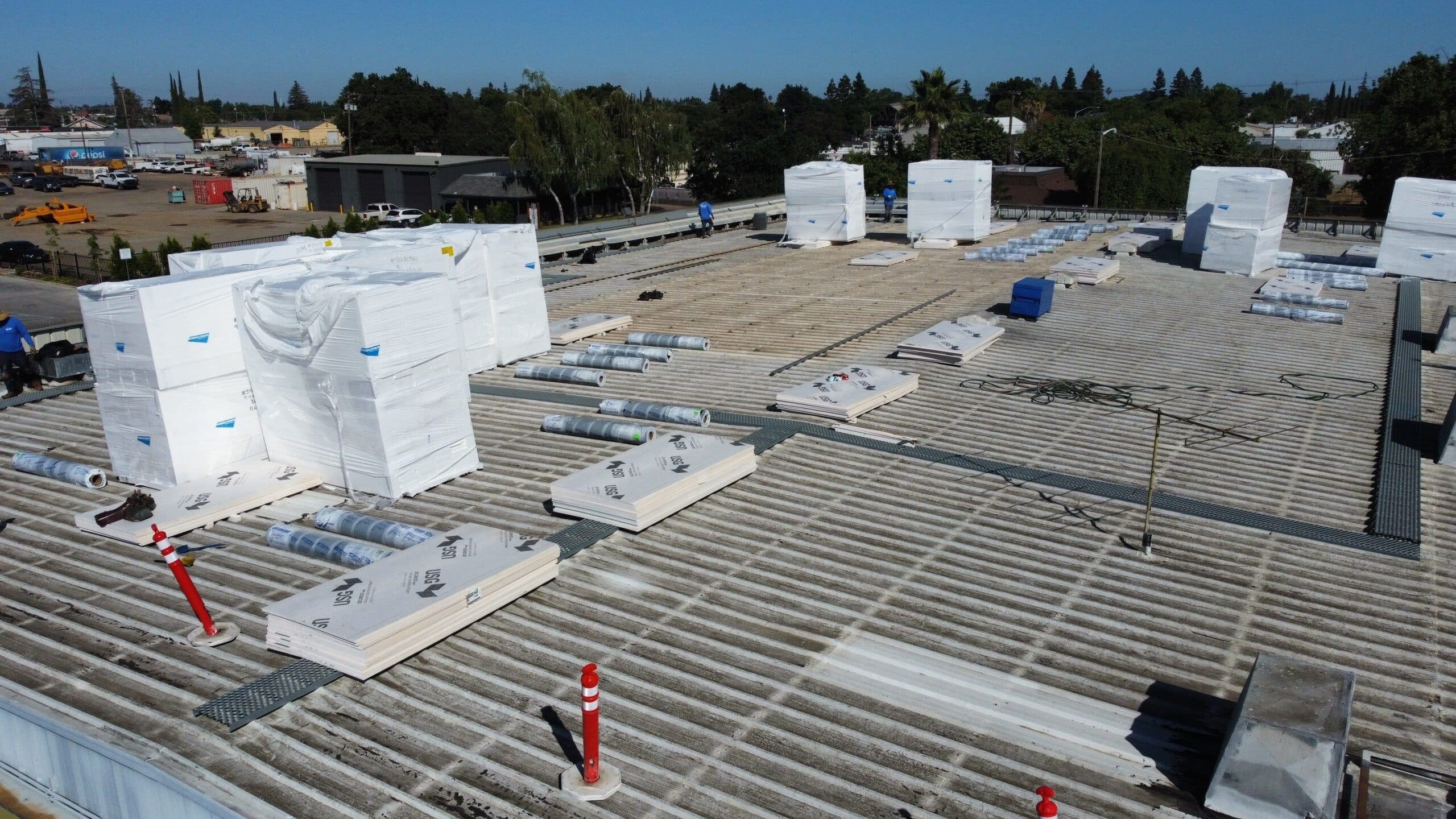
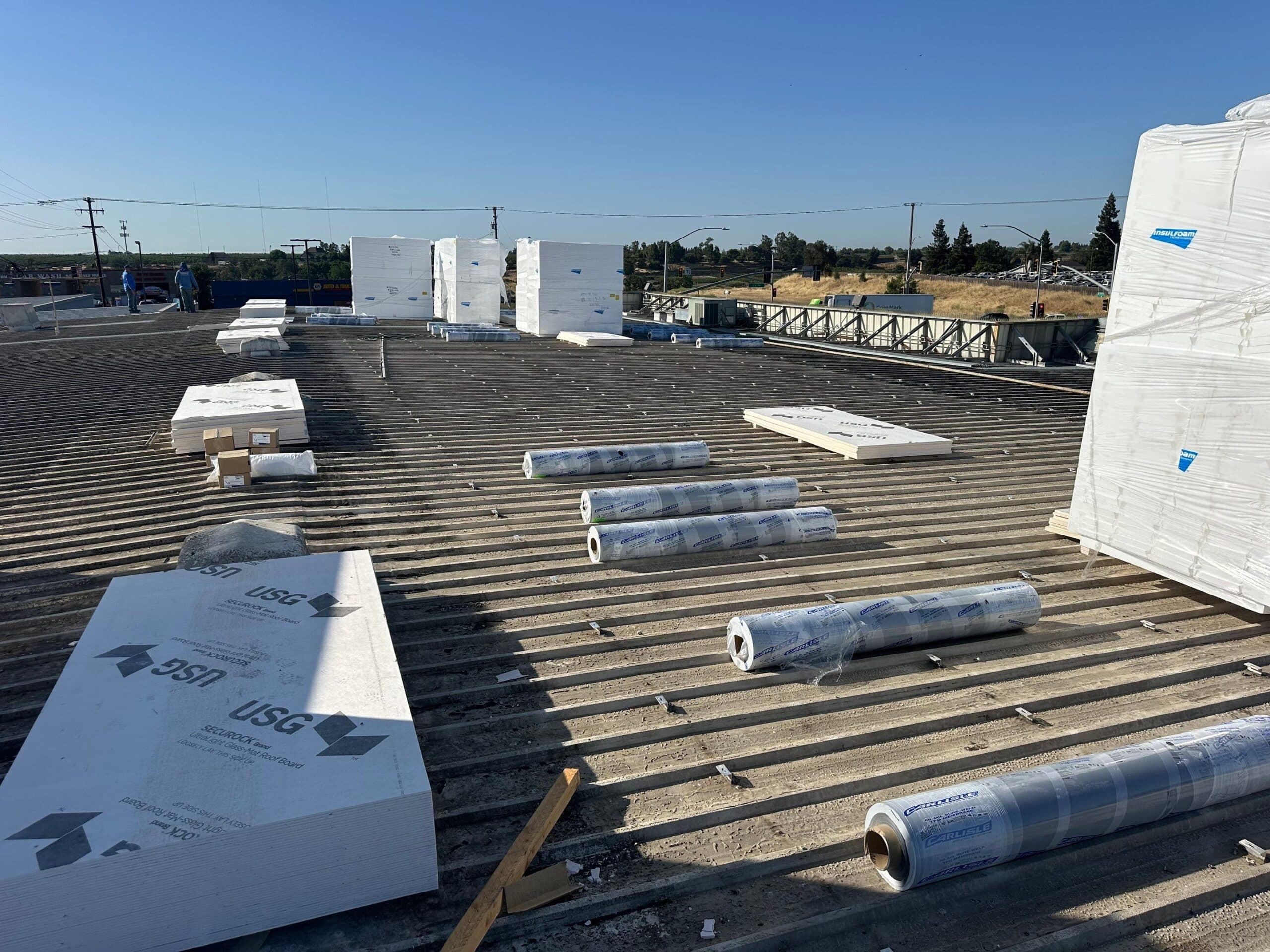
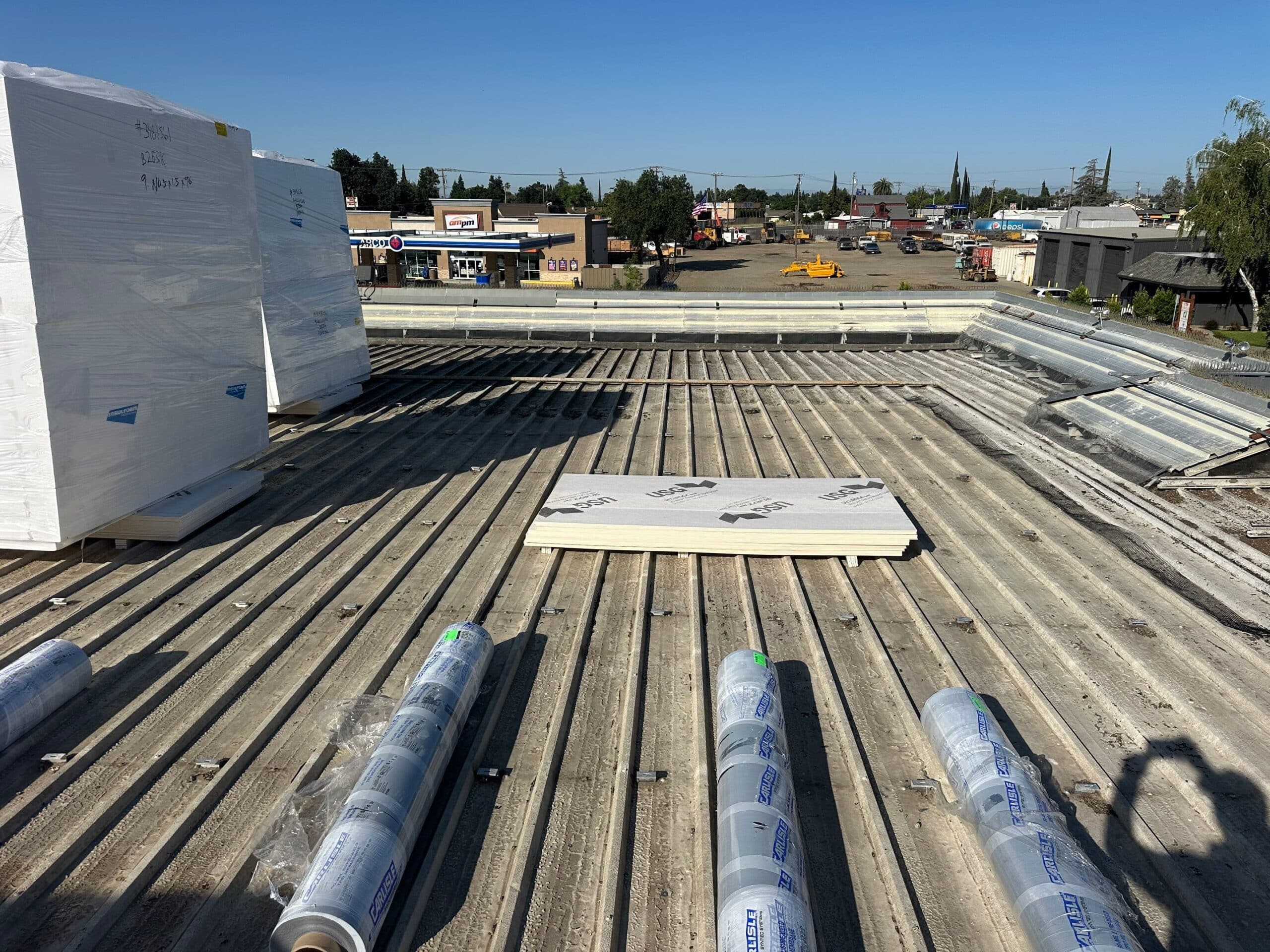
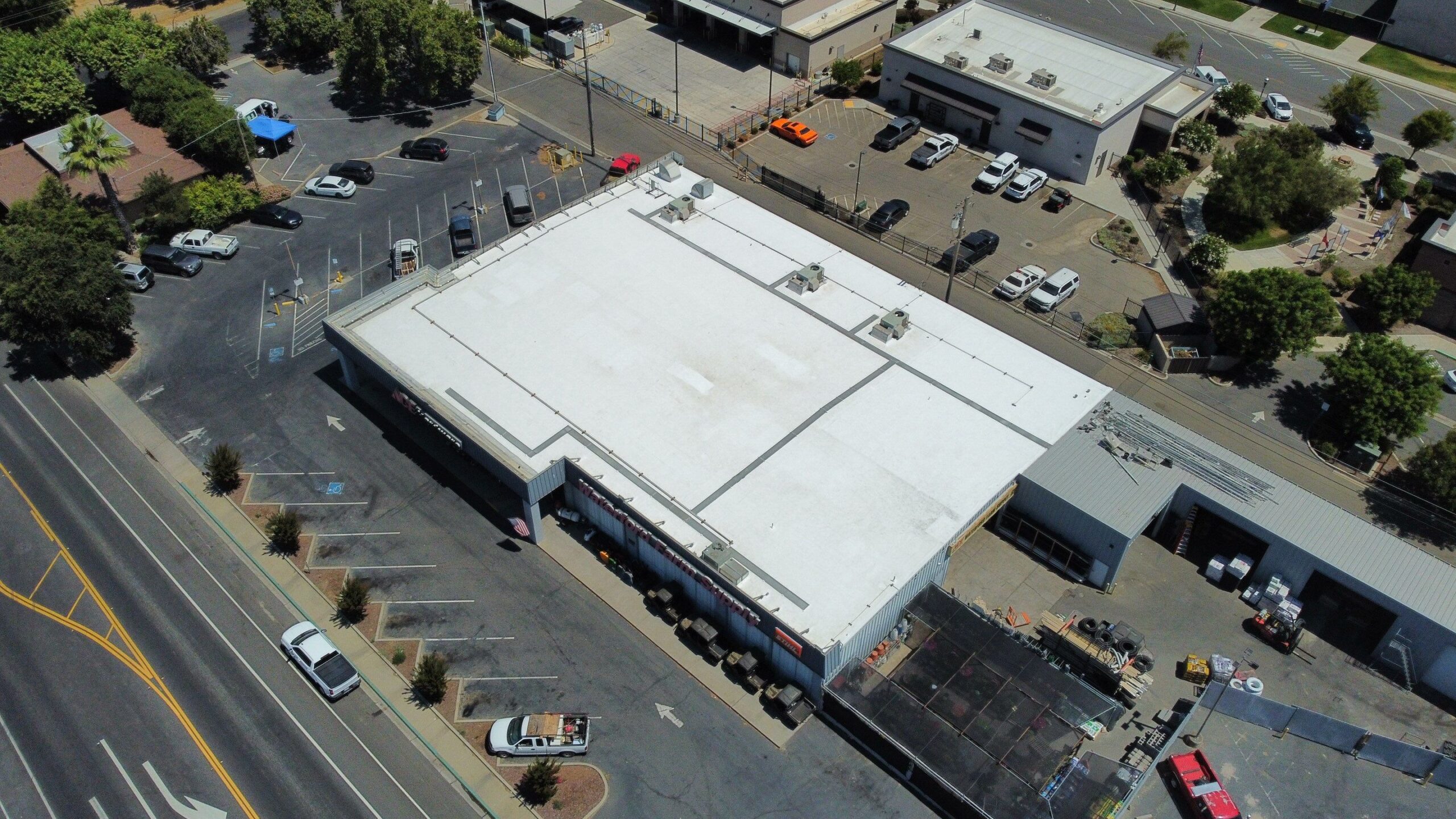
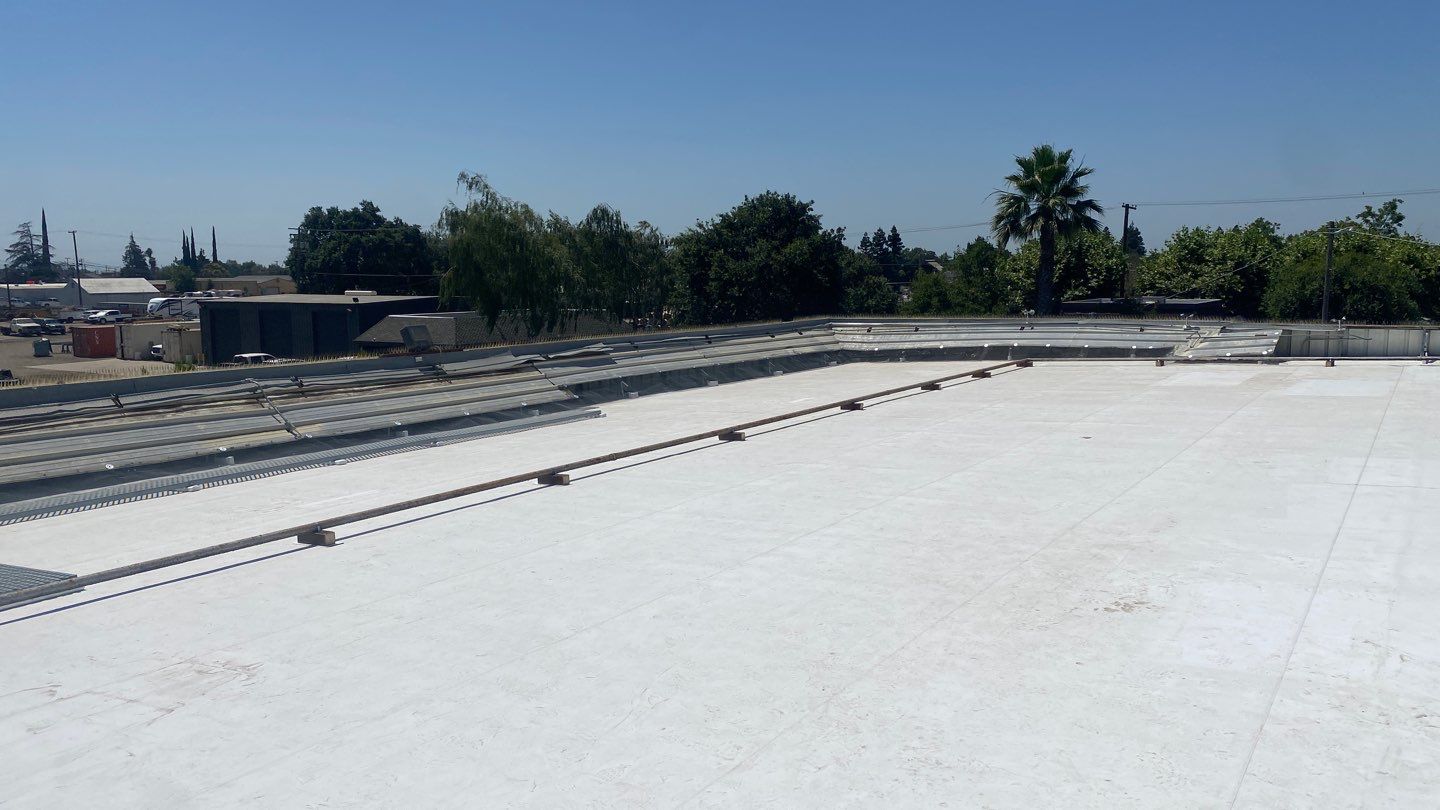
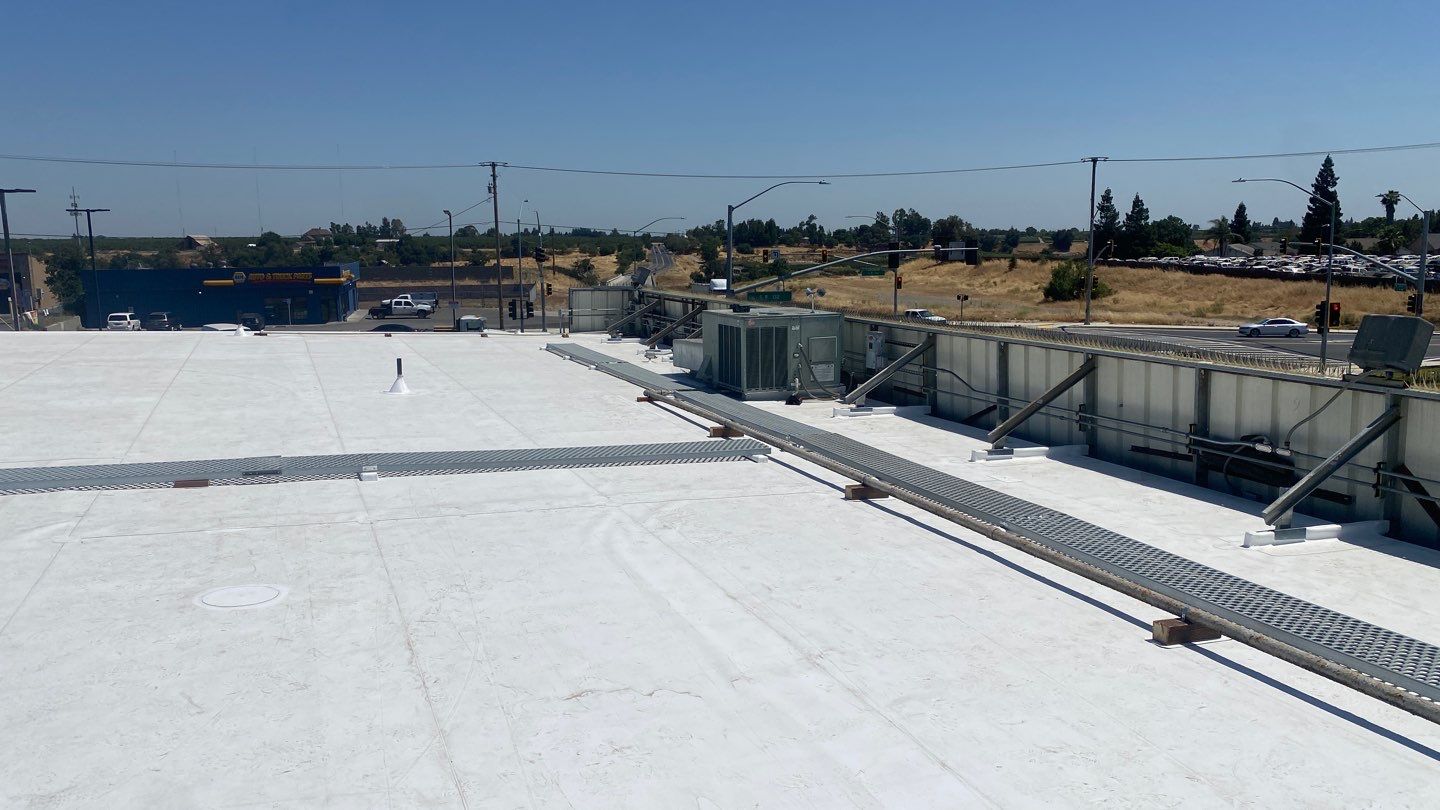
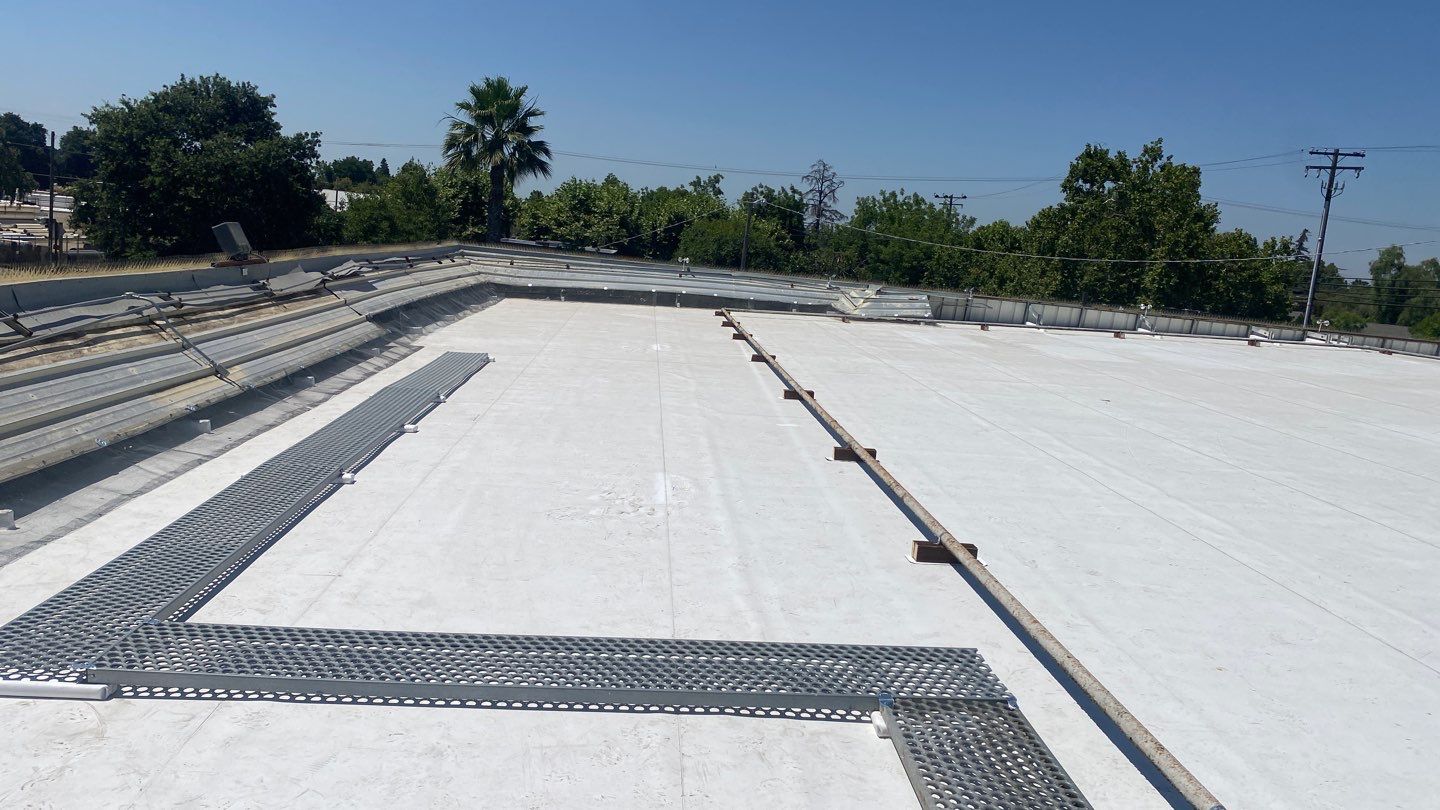
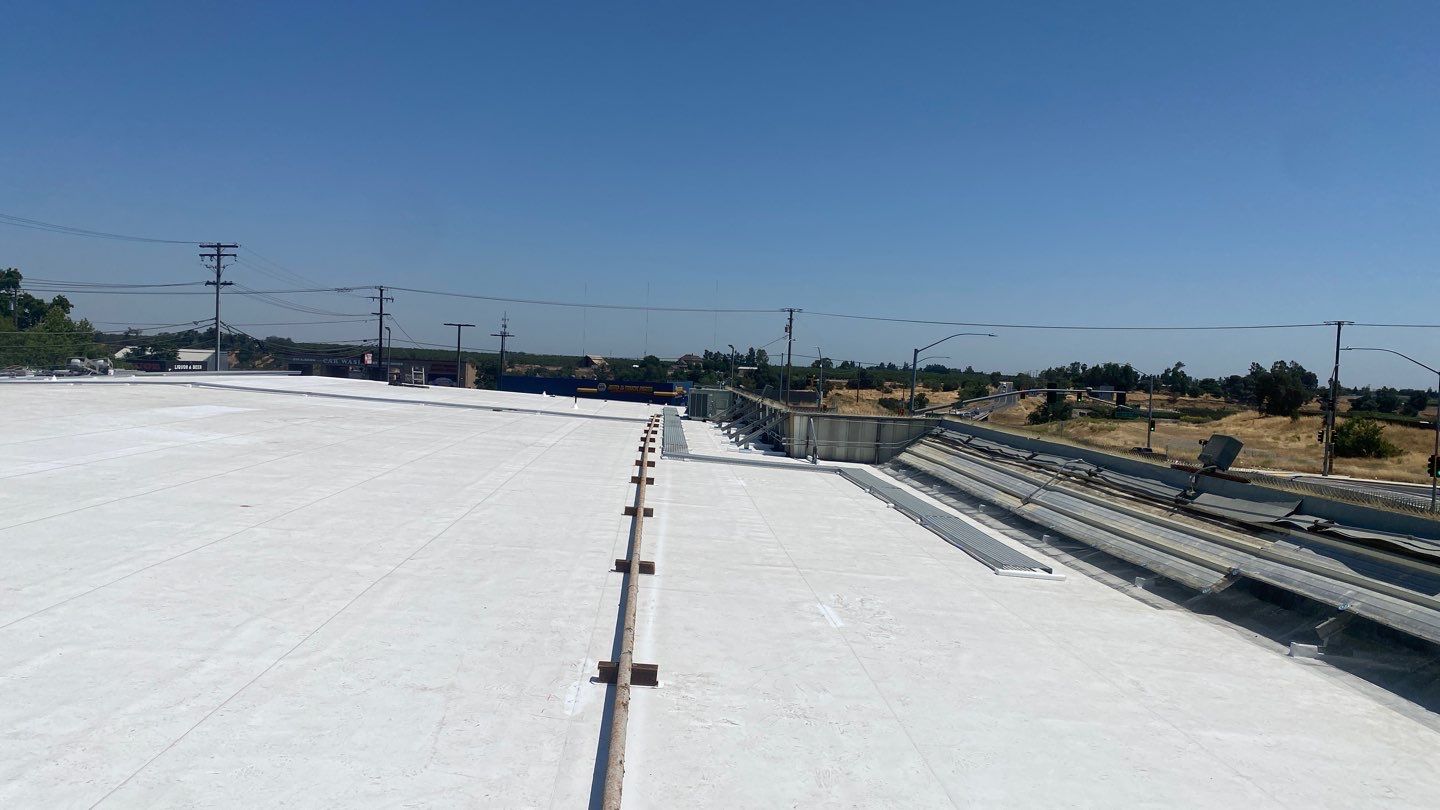
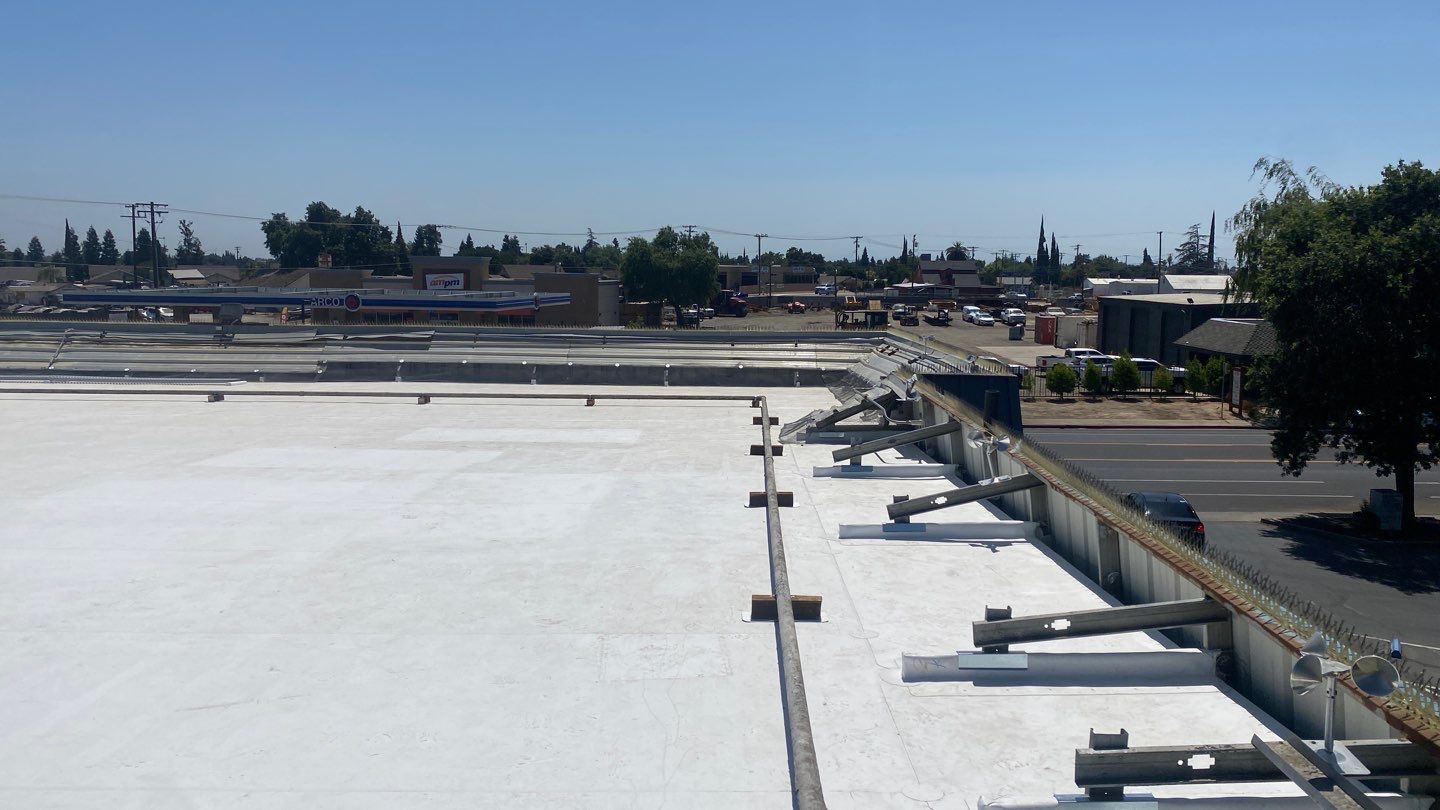
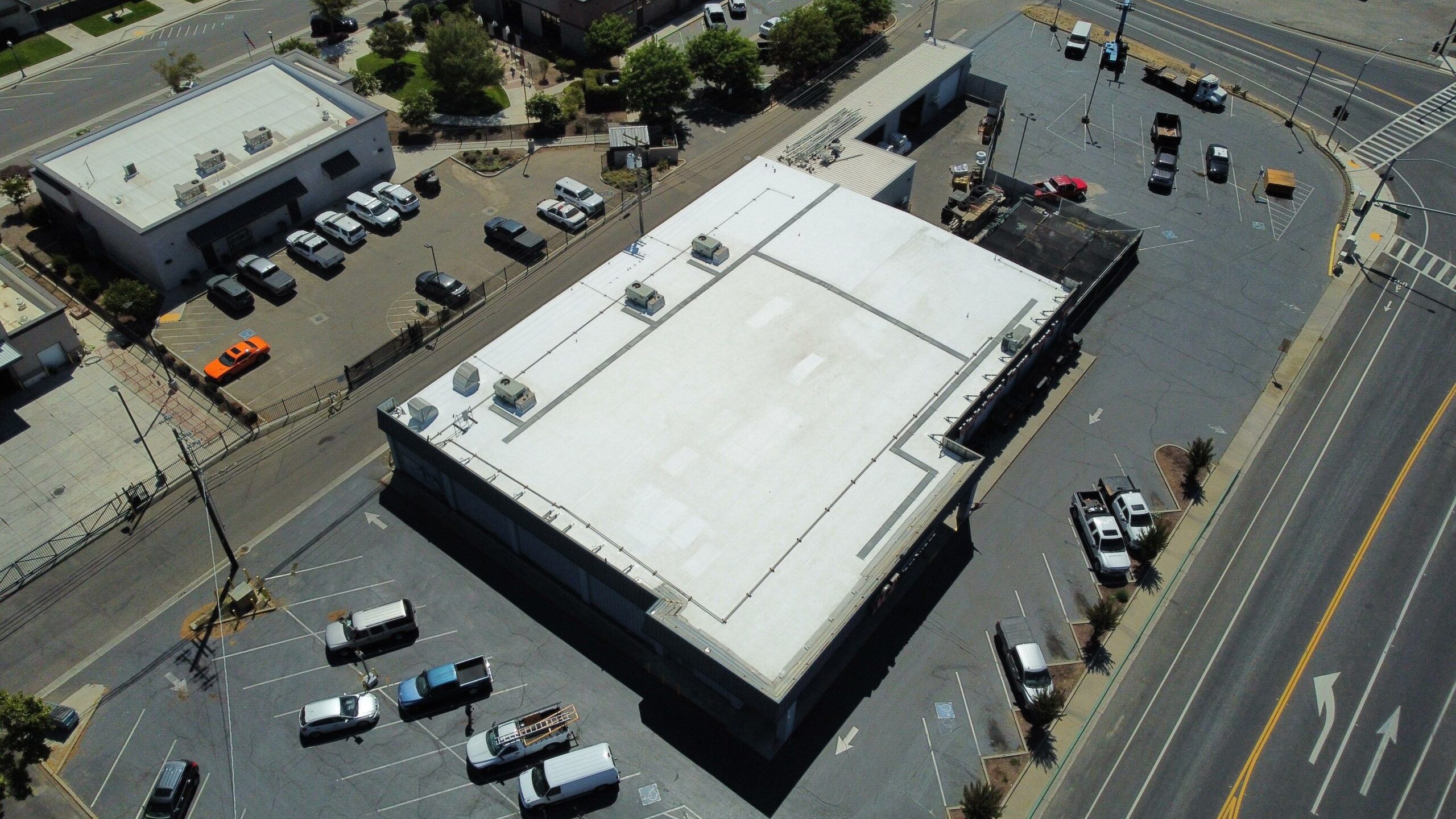
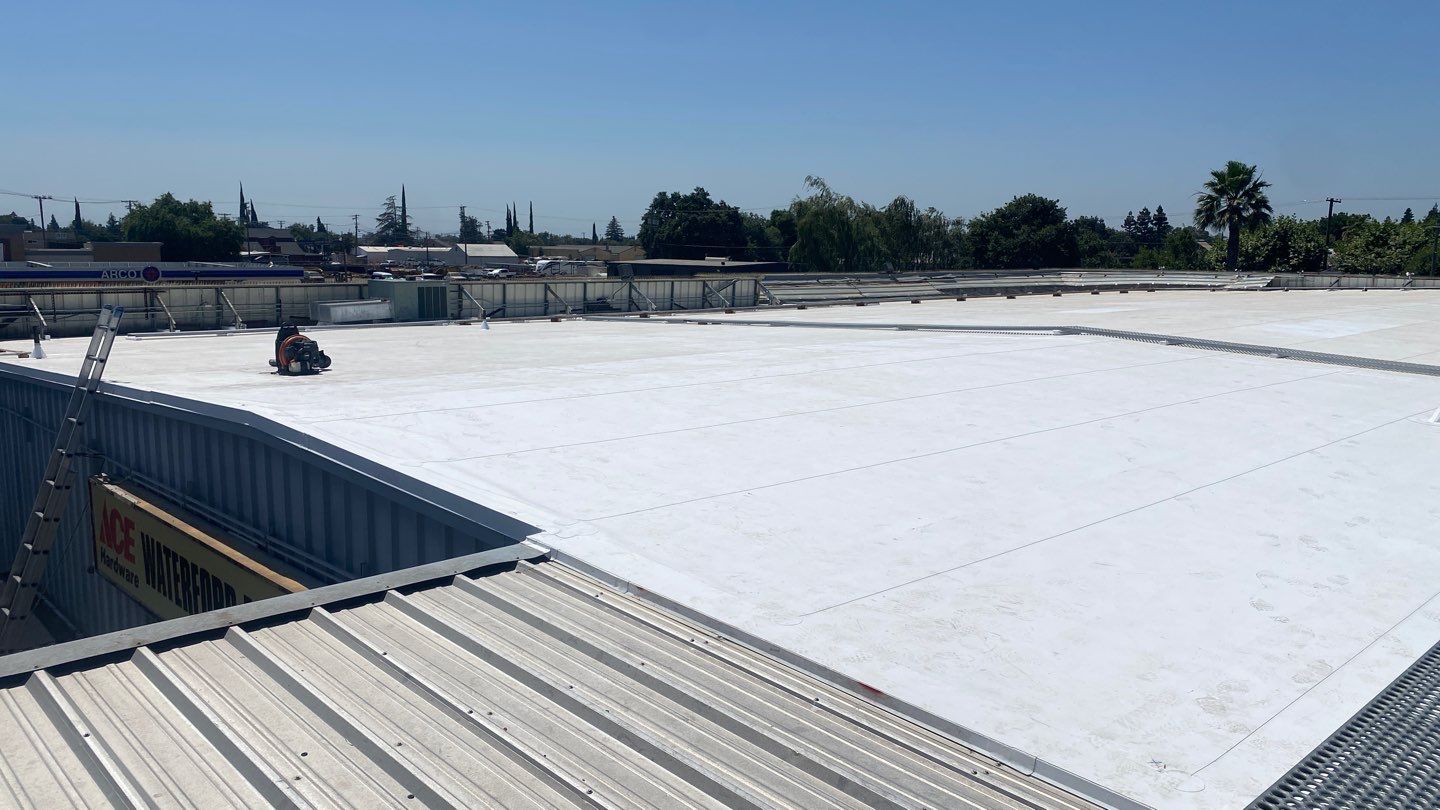
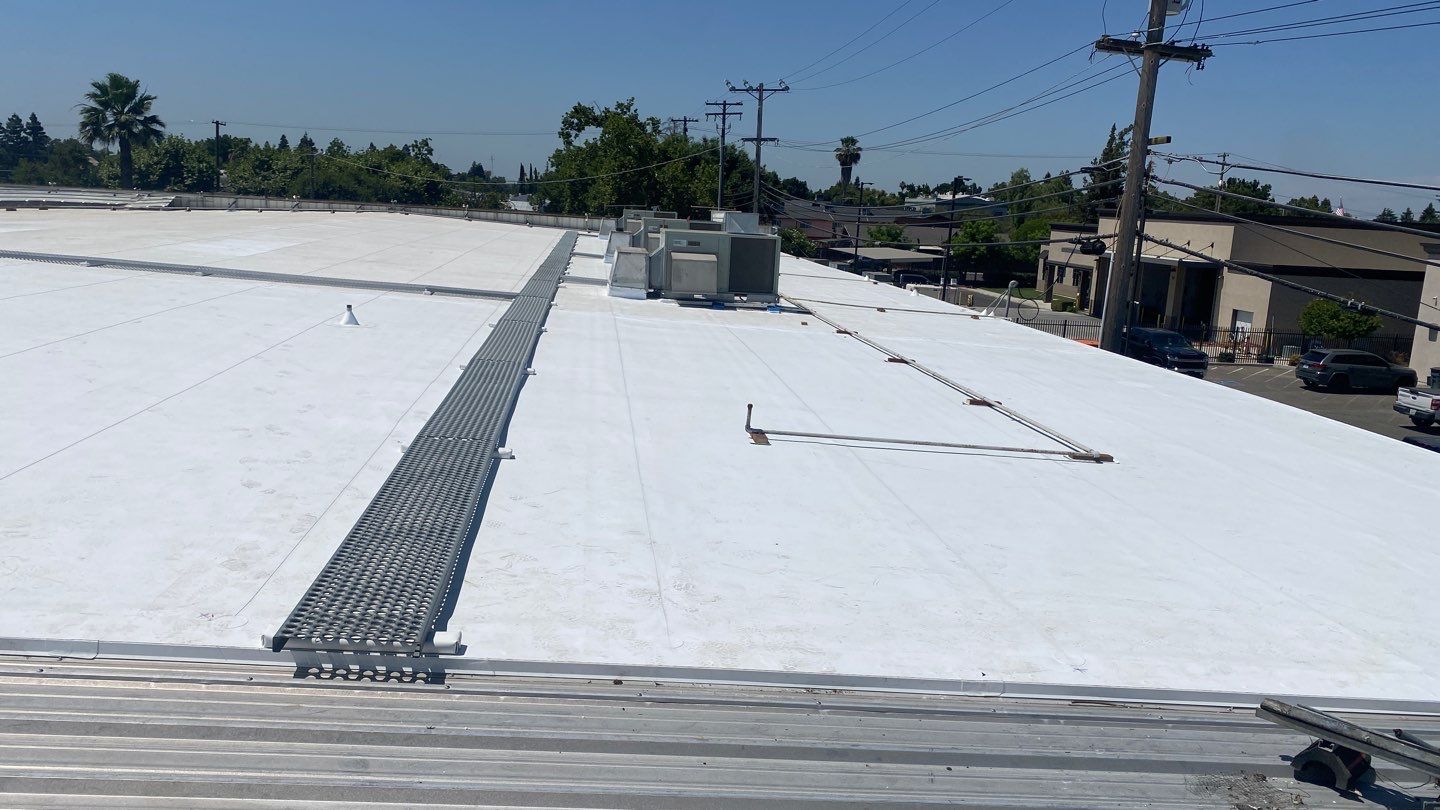
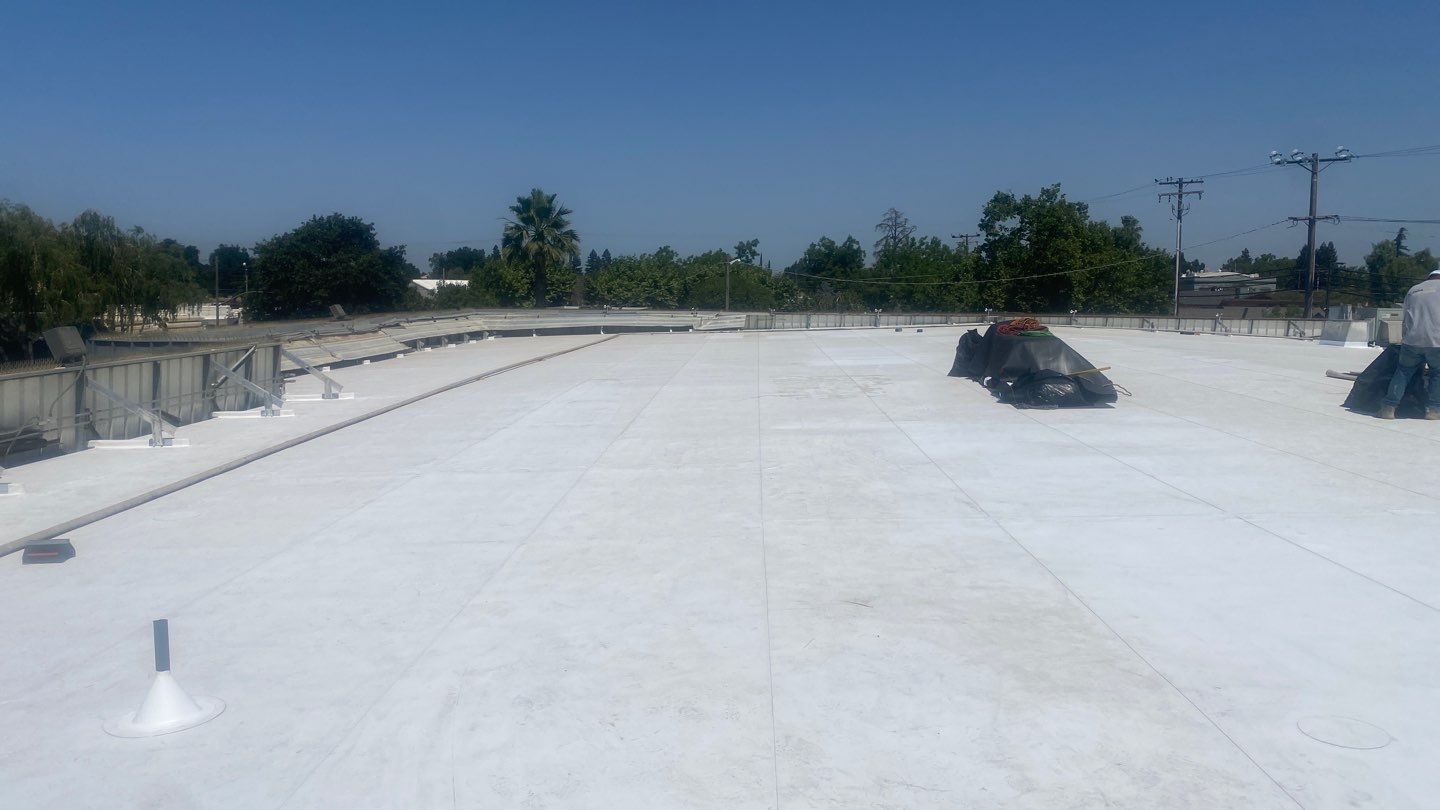
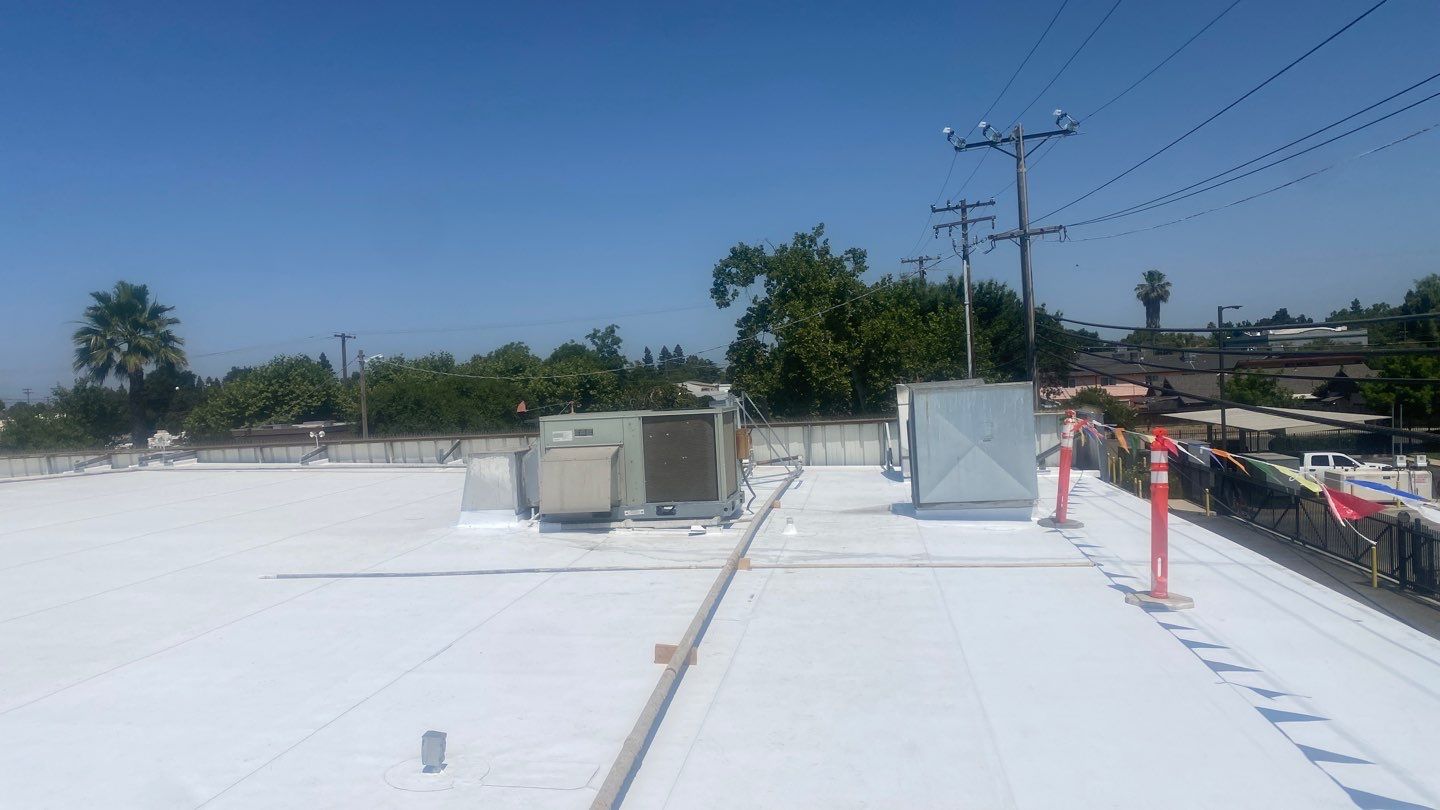
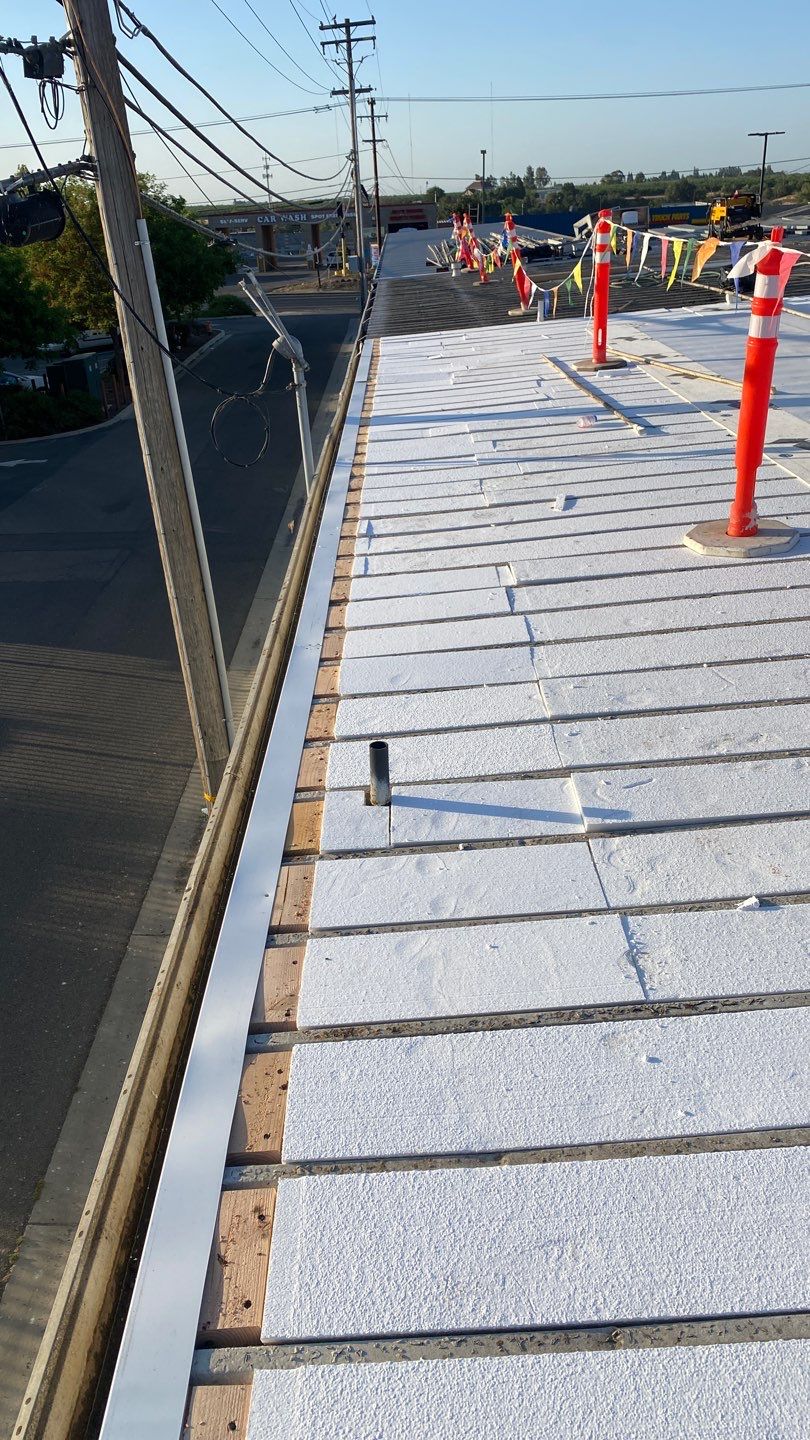
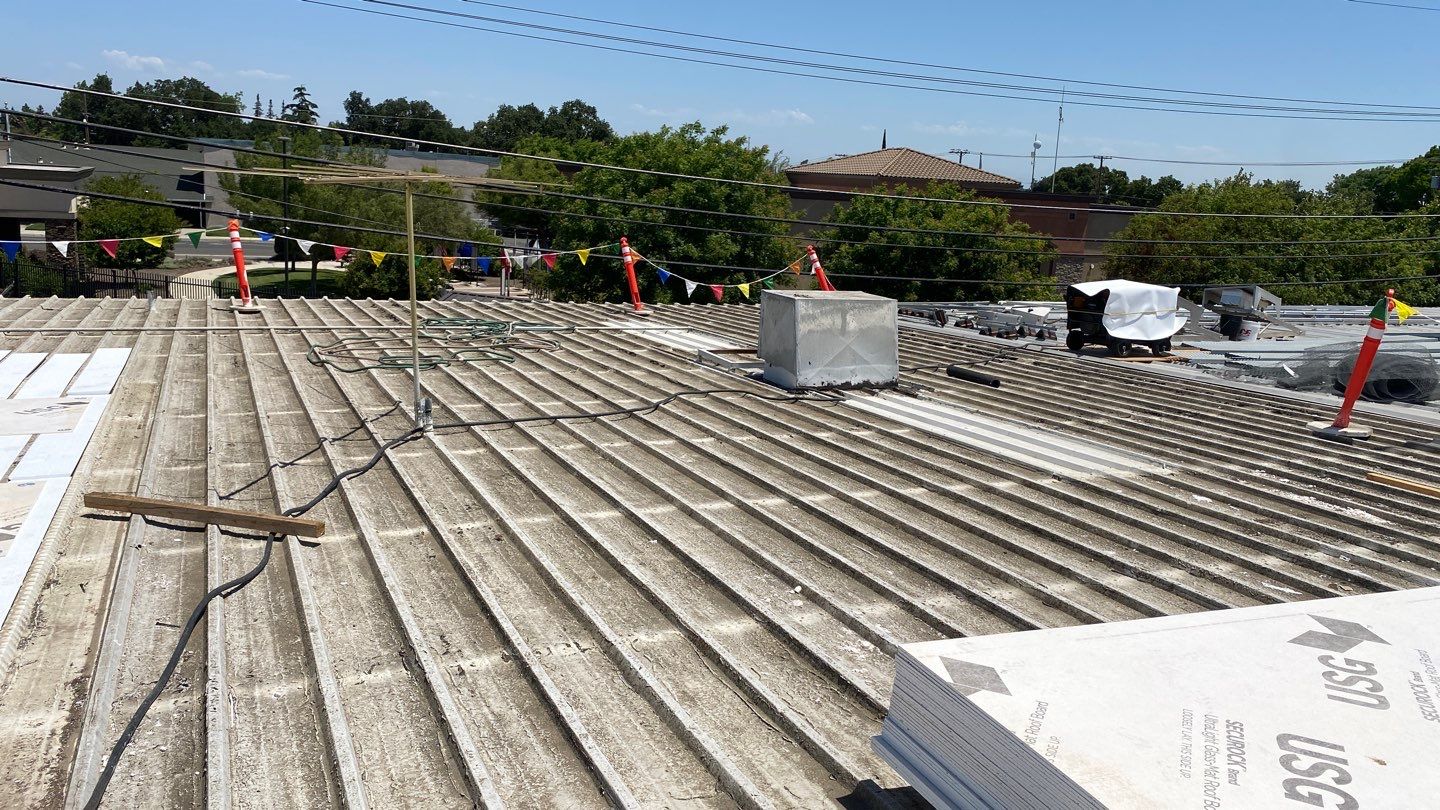
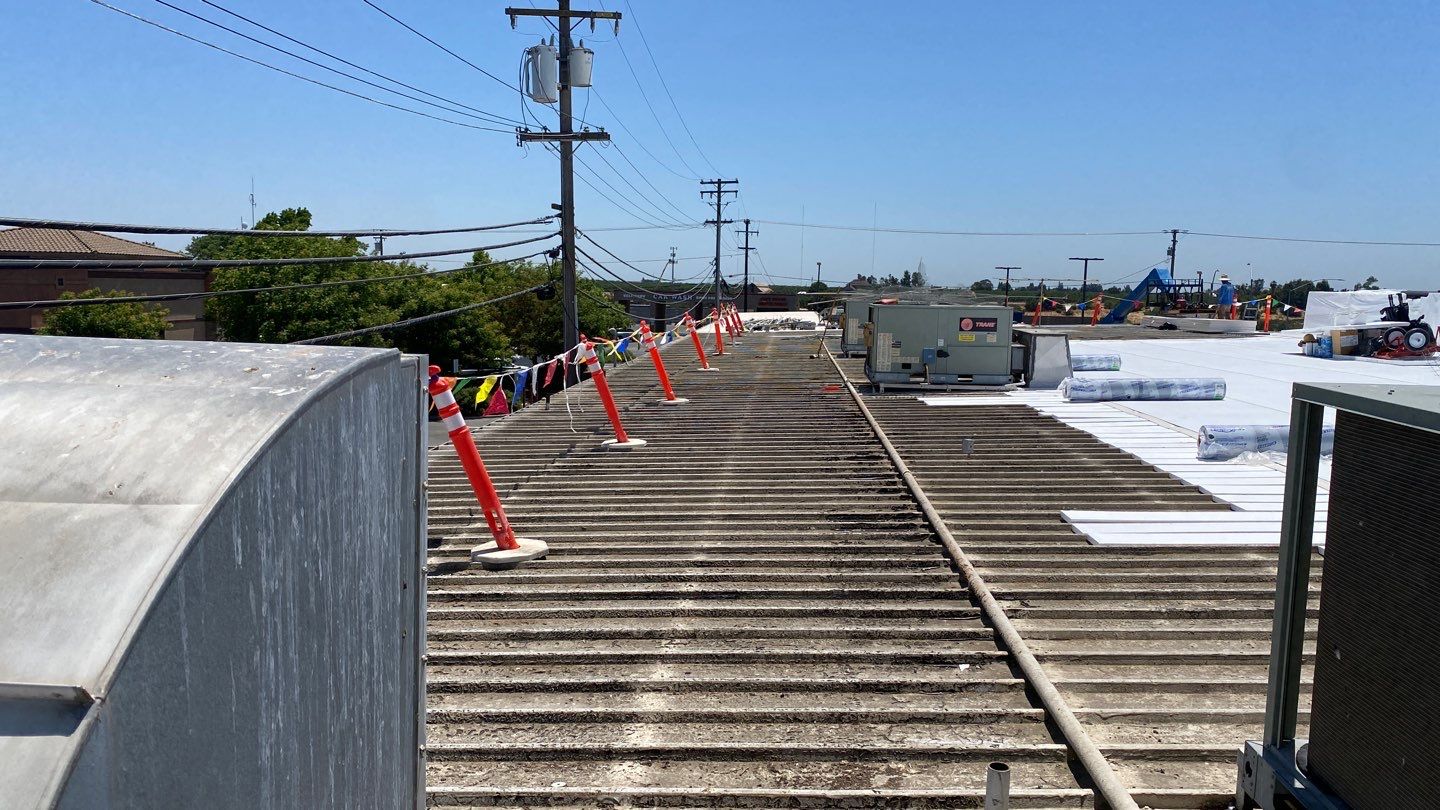
Peterson Roofing provides Elevate TPO roofing installation services for eligible commercial flat and low-slope roofs. Depending on the project, the scope may include:
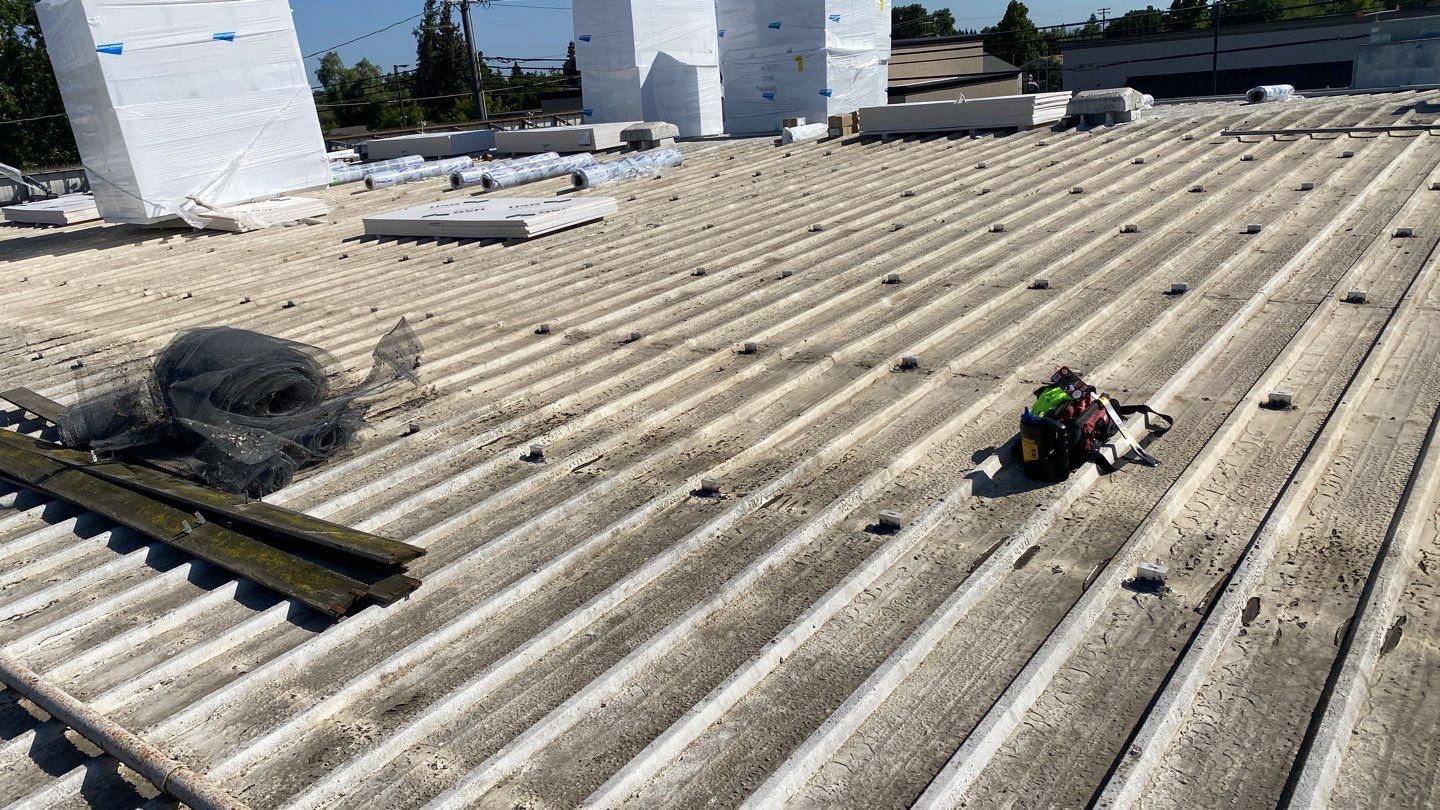
- Existing roof evaluation
- Commercial roof replacement
- Eligible recover installation
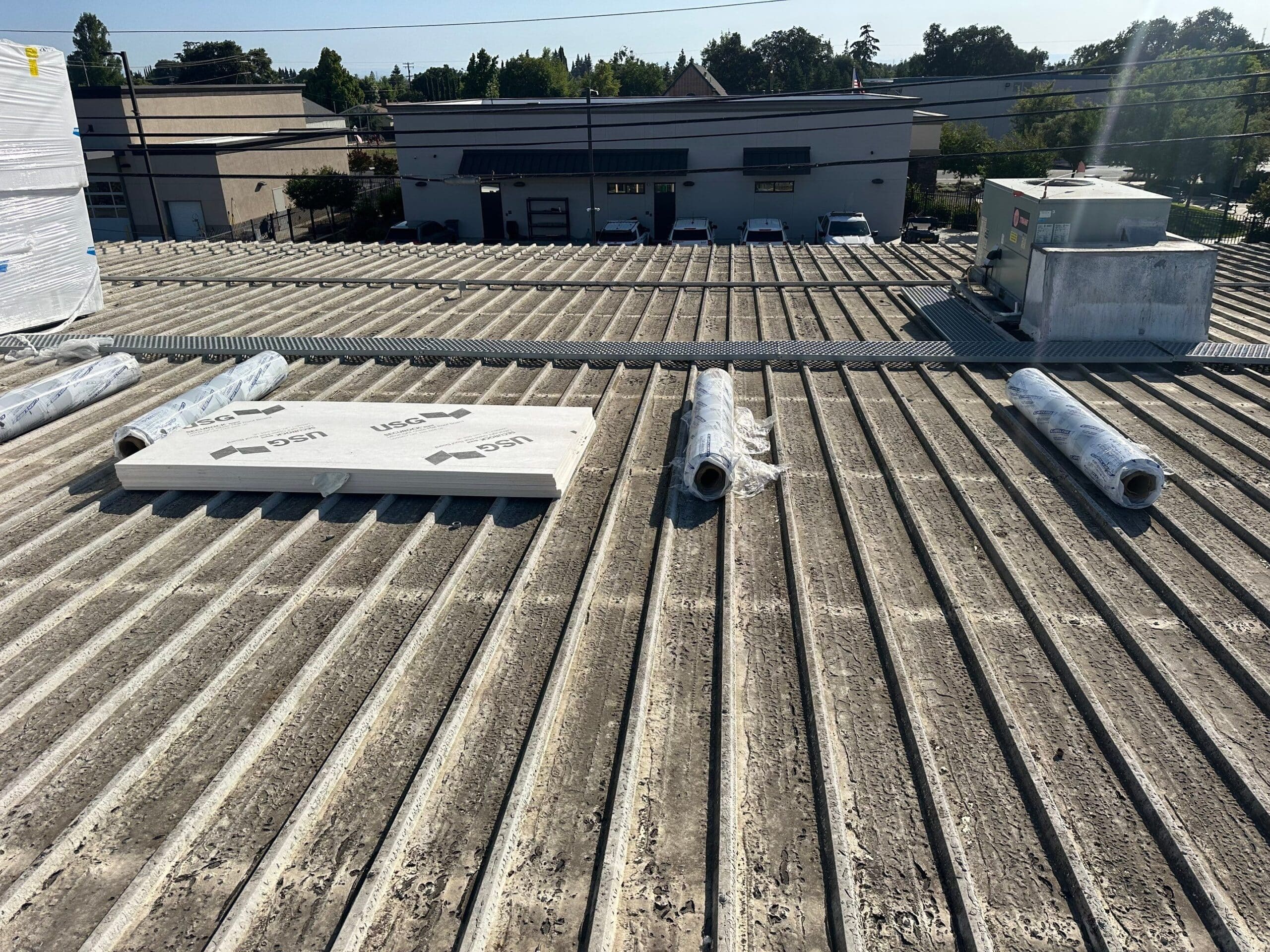
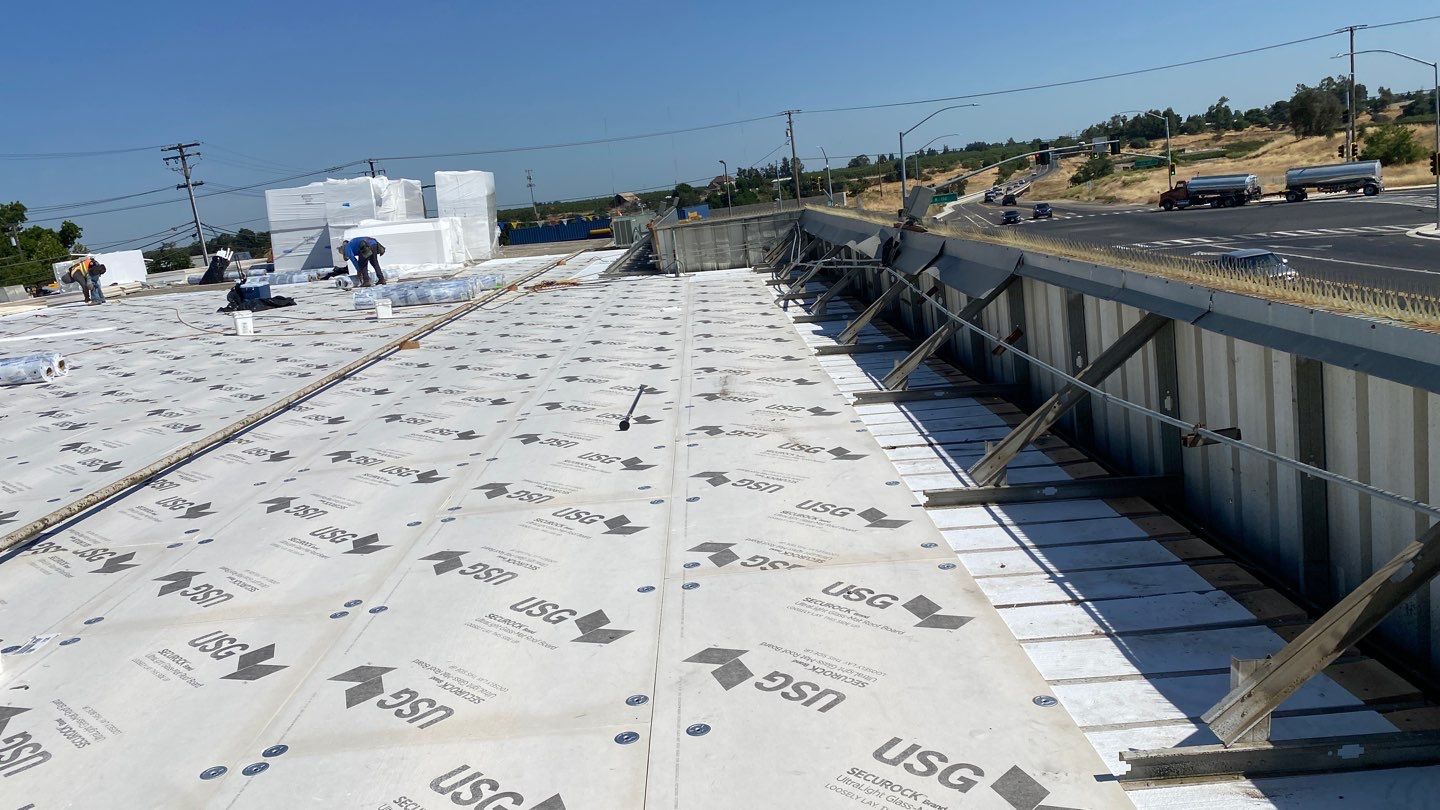
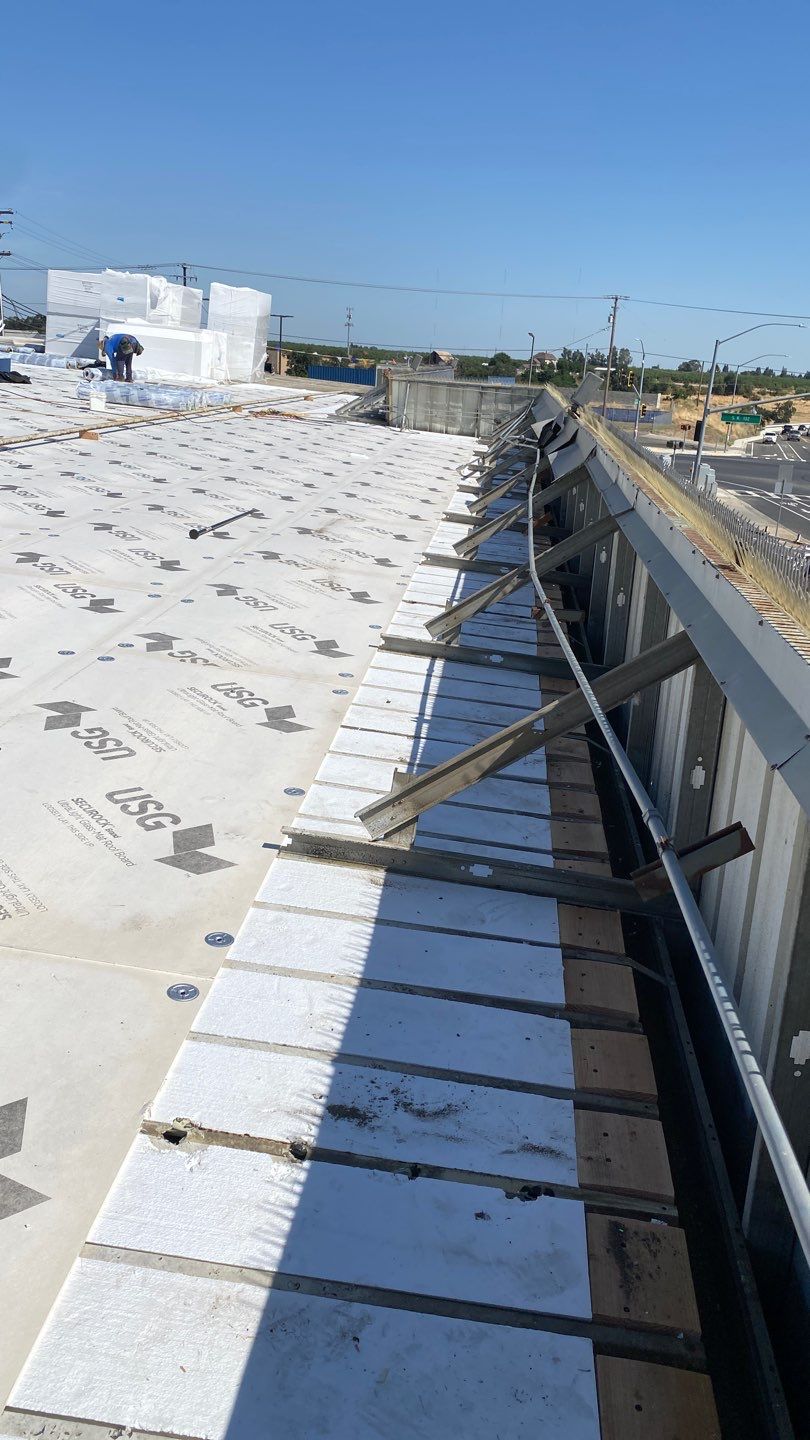
- Insulation and cover-board installation
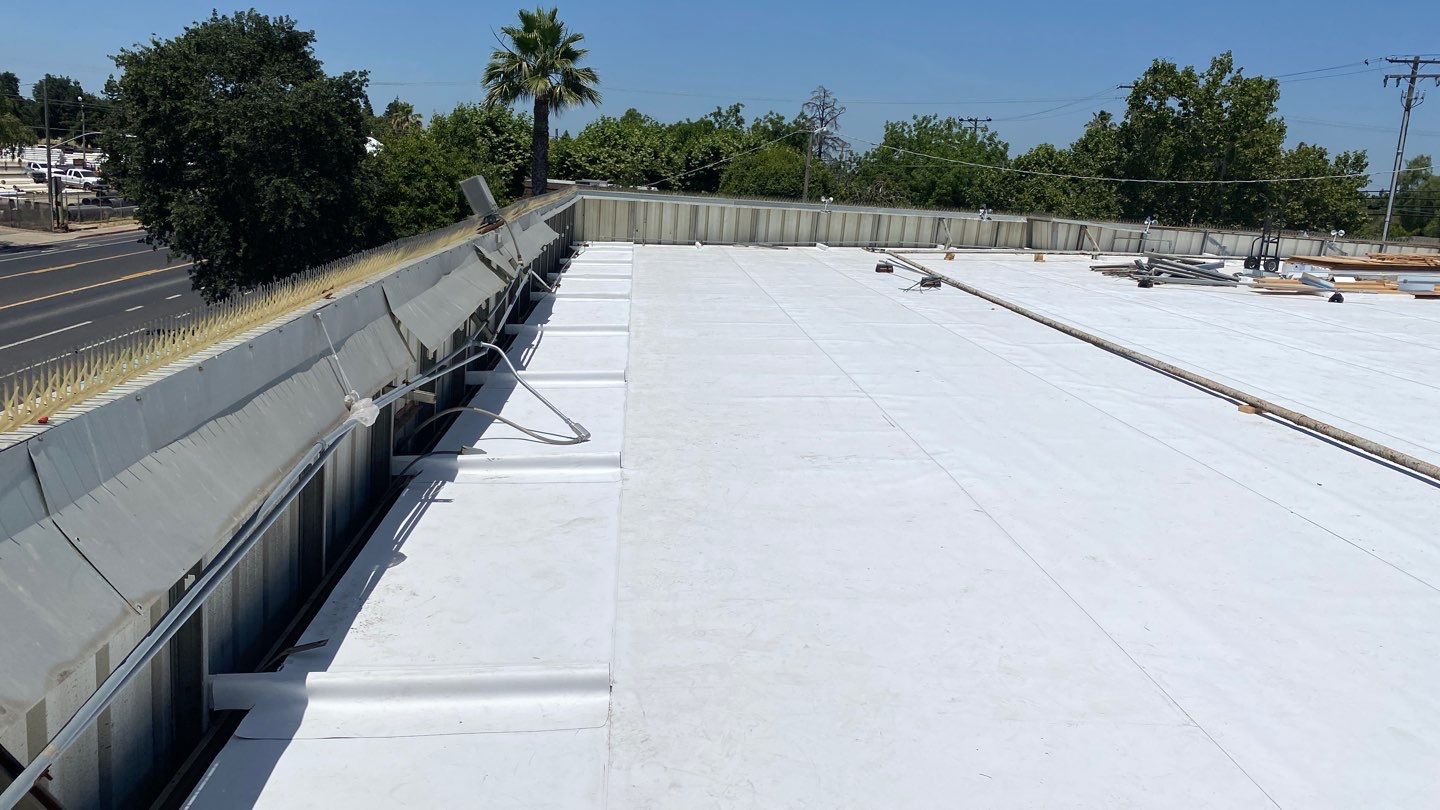
- TPO membrane installation
- Heat-welded seams
- Perimeter and edge details
- Flashing around penetrations
- Drainage-area details
- Compatible accessories and components
- Final roof review
- Applicable project documentation
A TPO roof is a complete system rather than a standalone membrane. Peterson Roofing develops the project scope around the proposed assembly and explains the recommended products and installation method before work begins.
Peterson Roofing’s Elevate TPO Installation Process
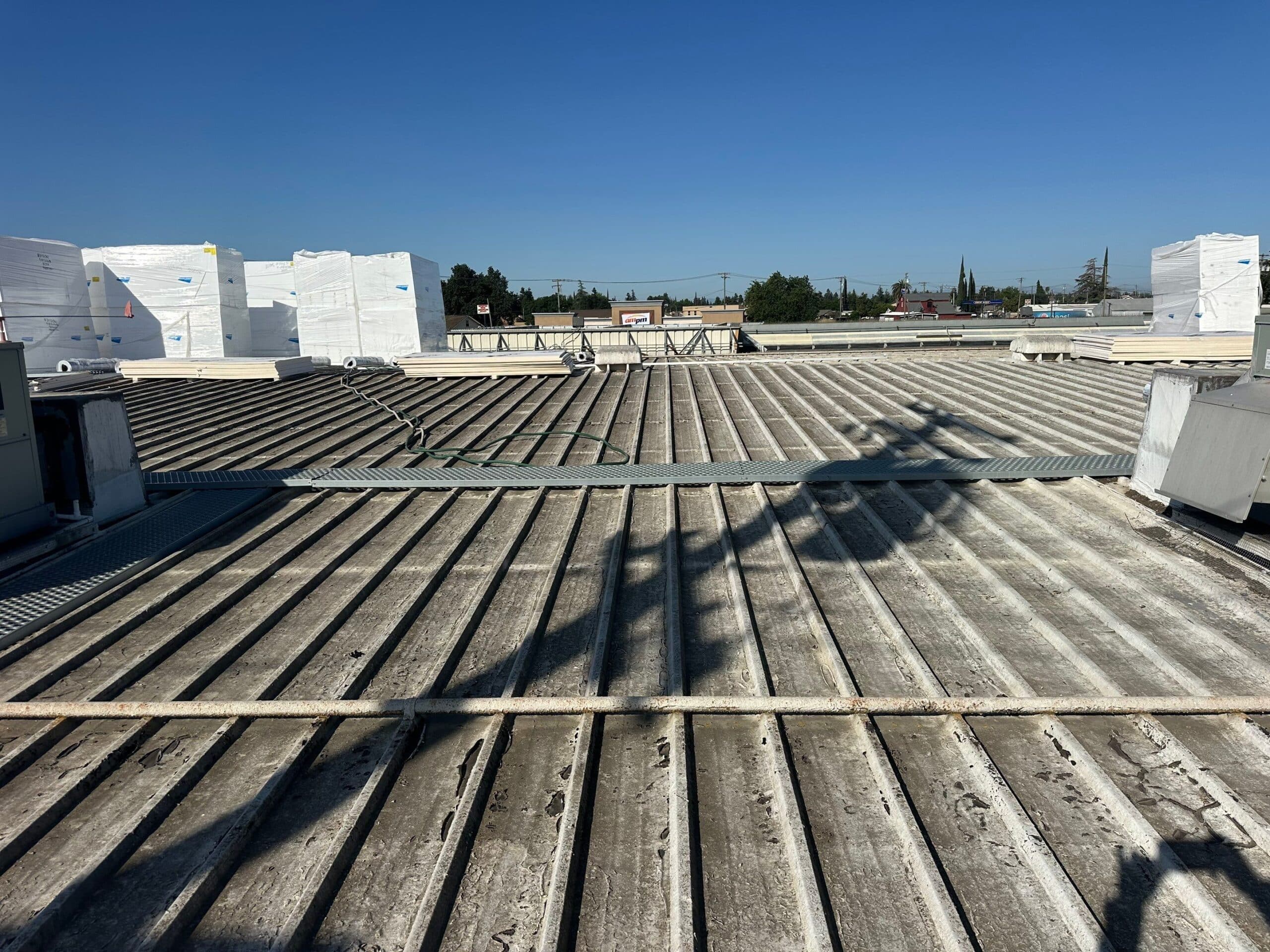
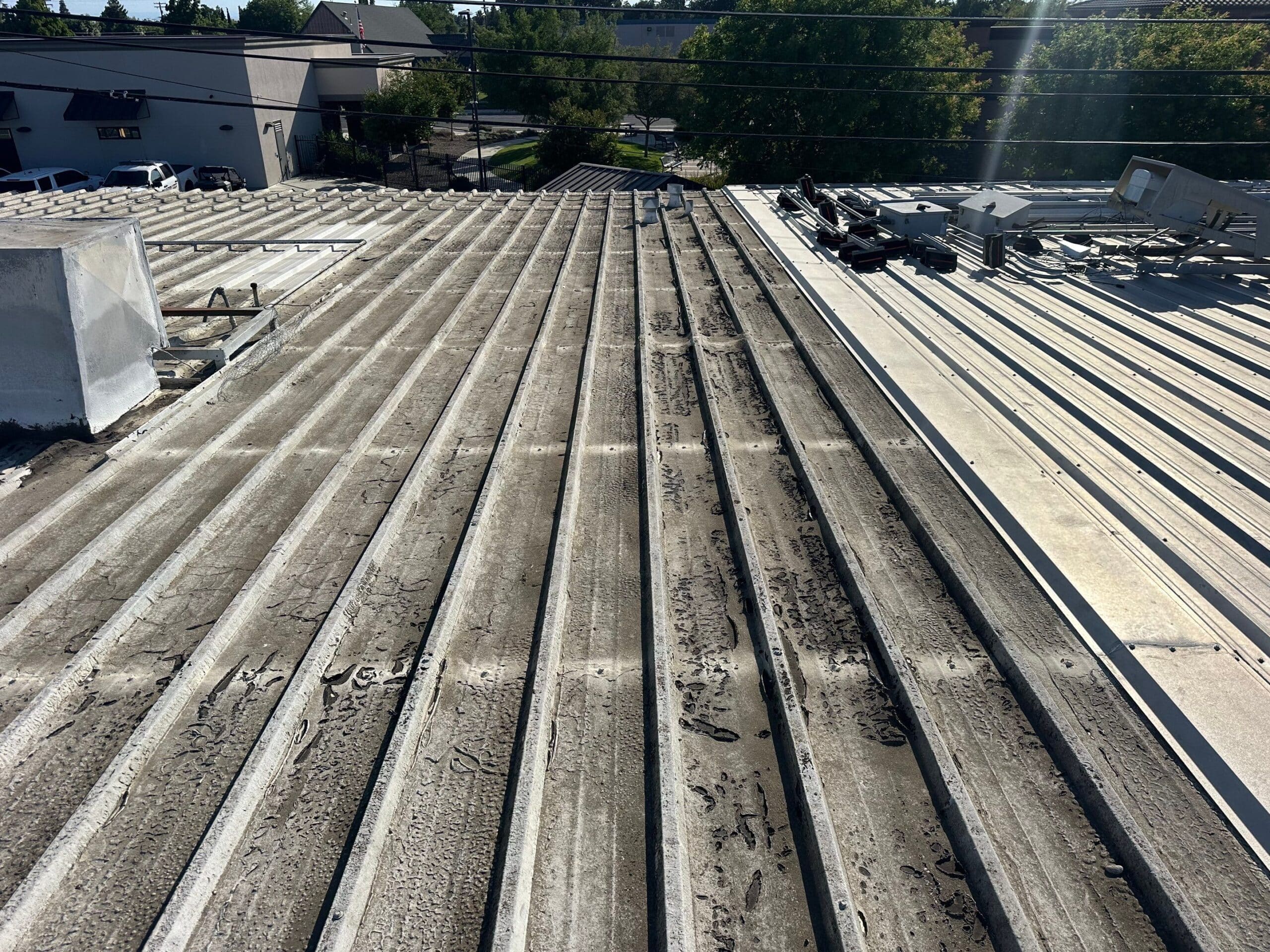
A successful Elevate TPO roofing installation begins with an evaluation of the existing roof and the building beneath it.
Commercial Applications for Elevate TPO Roofing
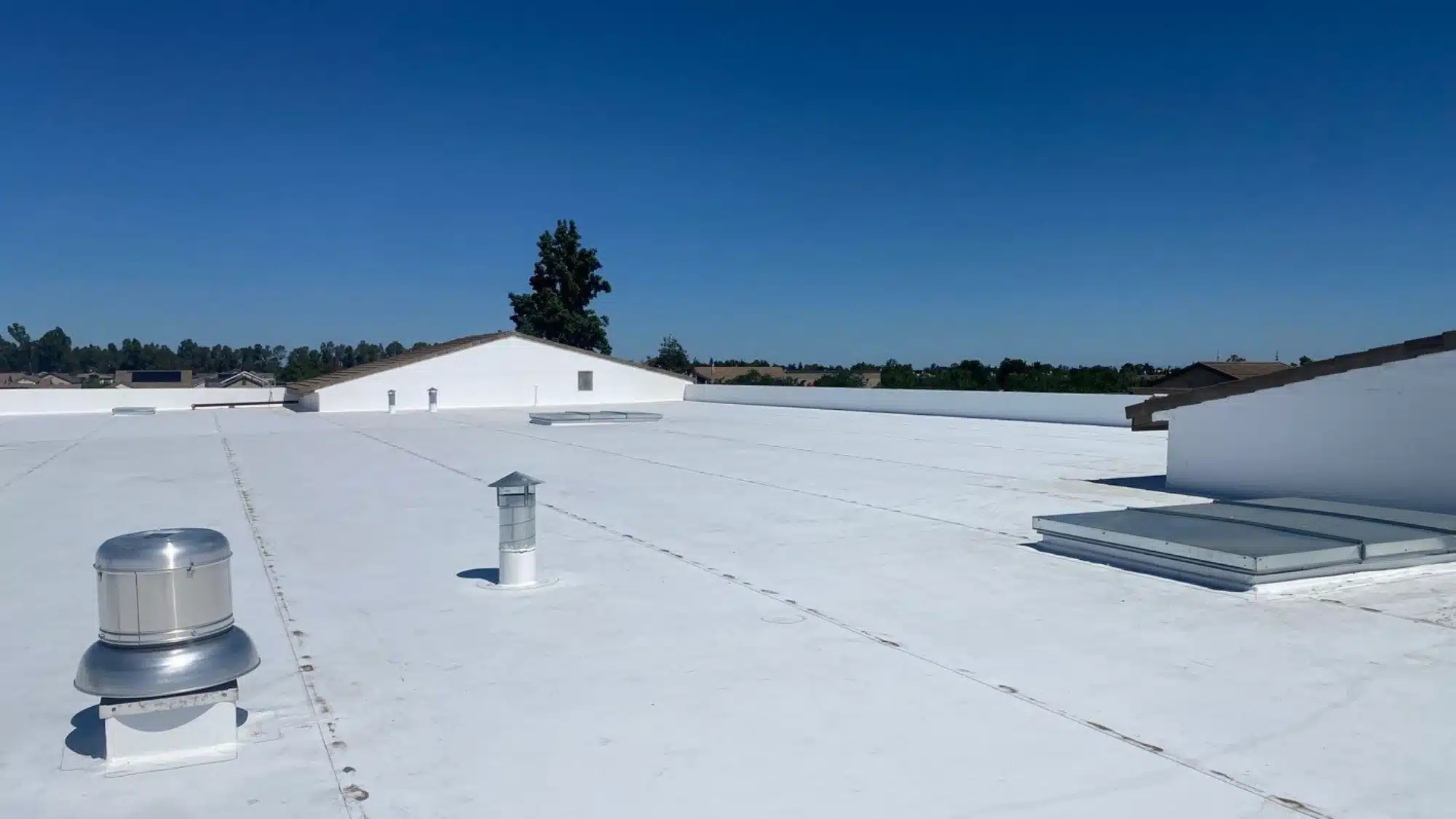
Elevate TPO roofing installation services may be appropriate for many commercial buildings with flat or low-slope roof areas, including:
- Warehouses
- Retail properties
- Office buildings
- Churches
- Multifamily properties
- Manufacturing buildings
- Light-industrial facilities
- Mixed-use commercial properties
A flat or low-slope roof is not automatically suitable for every TPO membrane or attachment method. The existing roof, deck, moisture conditions, insulation, building operations, and applicable project requirements must be evaluated first.
Why Choose Peterson Roofing for Elevate TPO?
Peterson Roofing has served commercial property owners since 1978. Our commercial services include roof inspection, repair, replacement, and maintenance, allowing us to consider both the initial installation and the roof’s ongoing care.
Peterson crews receive in-house training on installation practices and safety procedures. We provide detailed estimates and explain the proposed roof assembly so building owners and property managers understand the recommended scope before work begins.
When selecting an Elevate roofing contractor, property owners should consider:
- Commercial roofing experience
- Knowledge of flat and low-slope roof assemblies
- Installation and safety practices
- Inspection and planning procedures
- Ability to explain product and attachment options
- Warranty capabilities
- Availability of ongoing inspection, repair, and maintenance services
Peterson Roofing provides Elevate TPO roofing installation services as part of a broader commercial roofing program.
Elevate TPO Warranty Considerations
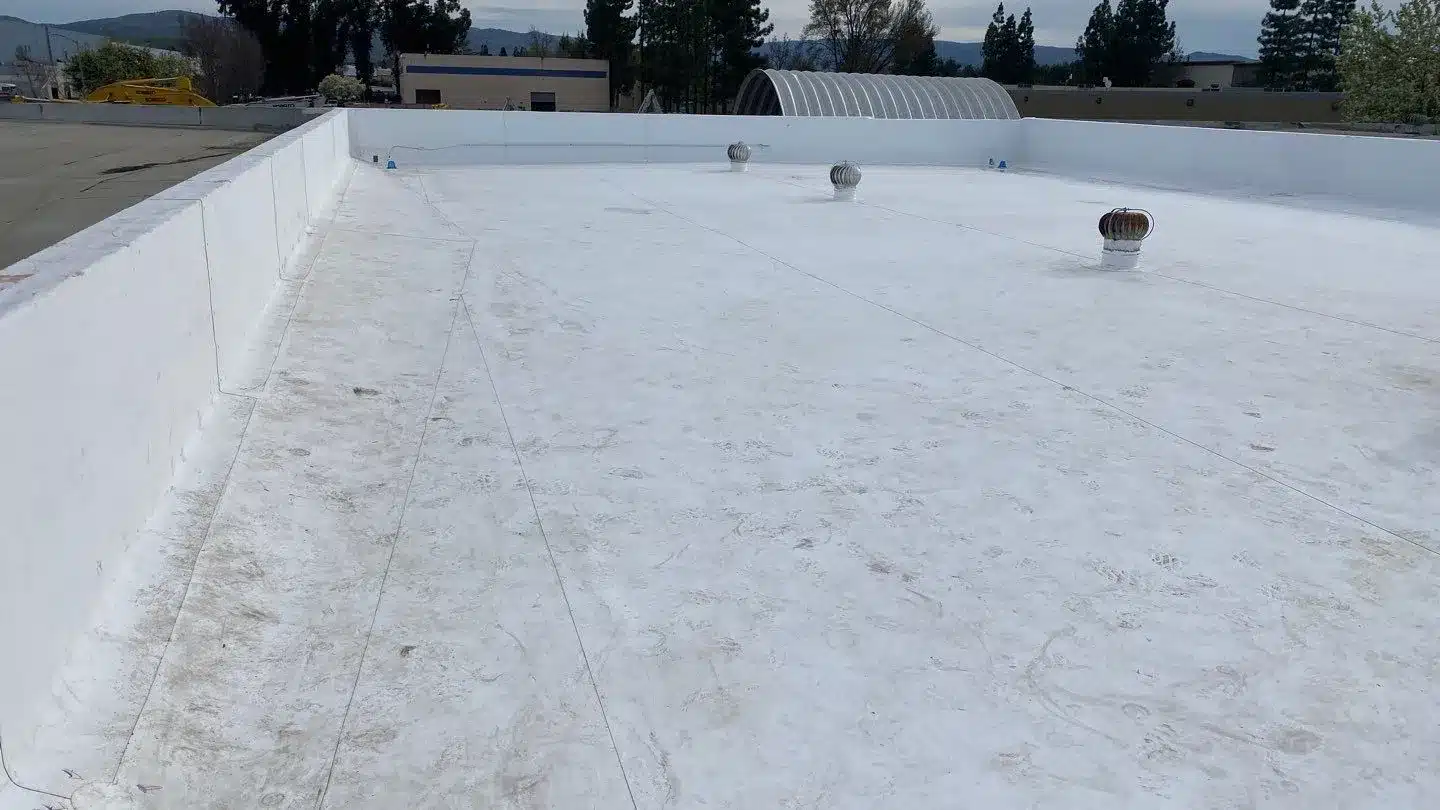
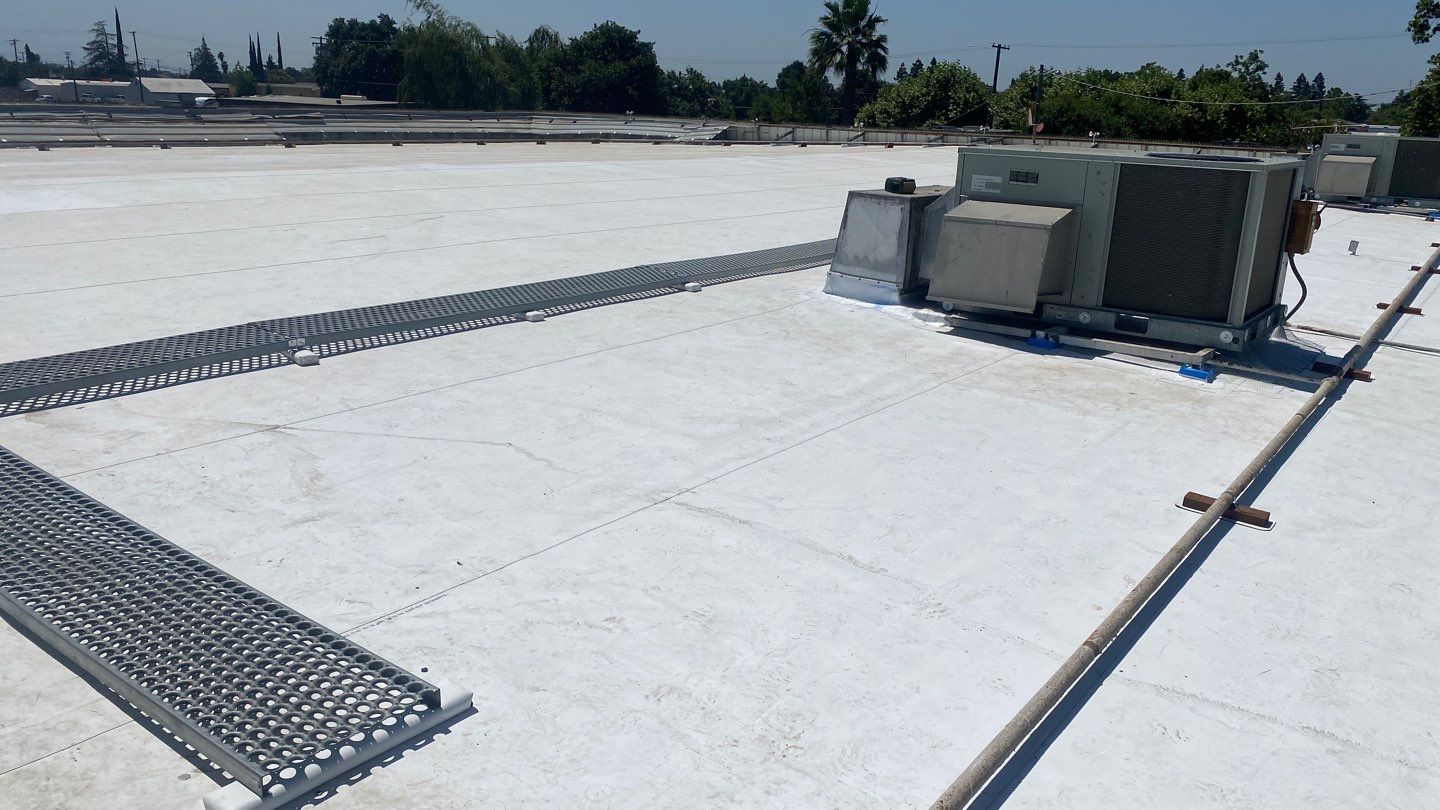
Eligible Elevate UltraPly TPO roofing systems may qualify for Red Shield Limited Warranty coverage. Available warranty terms depend on factors that may include:
- Membrane product and thickness
- Attachment method
- Roof deck
- Insulation and cover board
- Complete roof assembly
- Perimeter and flashing details
- Project conditions
- Current Elevate warranty requirements
Some eligible UltraPly Platinum TPO systems may qualify for limited warranty terms of up to 30 years.
A warranty term is not the same as a prediction of roof service life. Actual service life depends on the system design, installation quality, weather exposure, rooftop conditions, building use, and maintenance.
Peterson Roofing will review applicable warranty options and requirements for the proposed project before installation.
Discuss an Elevate TPO System With Peterson Roofing
Areas We Serve
We proudly serve the following cities