Ponding water on flat and low-slope roofs is a common issue for many buildings, particularly in regions with seasonal rain and heat. For homeowners and property managers, ponding water roof repair Modesto trusts has become a critical service category as standing water can accelerate membrane wear, lead to leaks, and compromise insulation. This article outlines proven methods to fix ponding water and prevent long-term damage, with practical guidance for choosing durable, code-compliant solutions.
Understanding the risks of ponding water
Ponding water occurs when rainfall or irrigation water fails to drain efficiently, creating shallow pools that persist for 48 hours or more. Over time, standing water can degrade roofing membranes, cause fasteners to corrode, and promote mold growth in the attic or ceiling spaces. In hot climates like Modesto, prolonged moisture at the roof surface can also stress insulation and reduce energy efficiency. Addressing ponding not only protects the roof surface but can extend the life of the entire roof assembly.
Effective methods for fixing ponding water
1. Re-sloping with tapered insulation
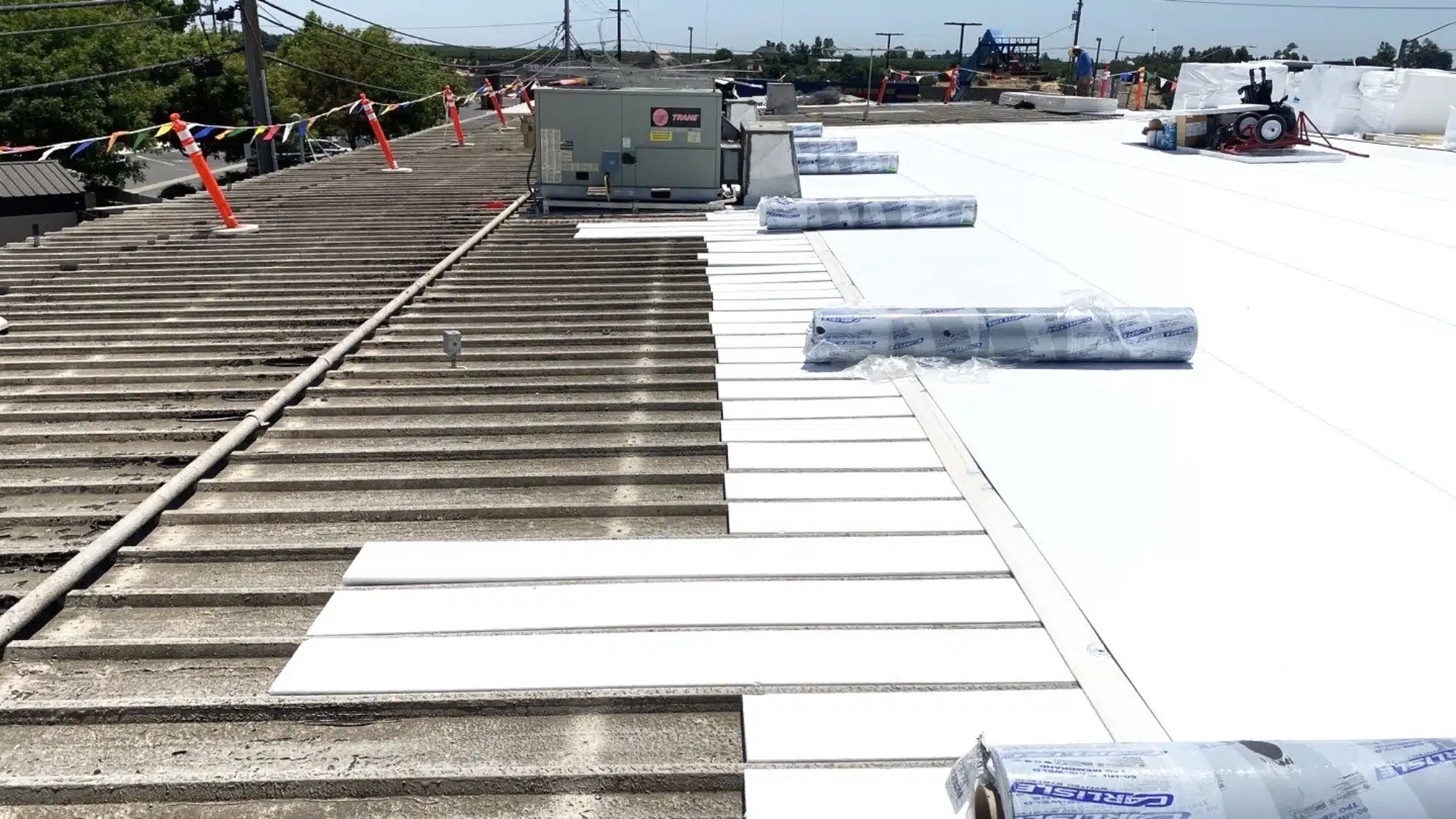
- What it is: Installing tapered insulation layers under the roofing membrane to create a positive slope toward drains, scuppers, or roof drains.
- Why it works: A proper slope directs water toward drainage points, reducing ponding depths and the corresponding stress on the membrane.
- Considerations: This solution is often the most durable long-term fix for flat roofs when the existing deck cannot be easily re-sloped, and it requires professional installation to ensure compatibility with the existing roof system.
2. Adding or enlarging drainage capacity
- What it is: Introducing additional drains, scuppers, or overflow outlets and ensuring downspouts or internal drains are properly connected.
- Why it works: Increasing drainage capacity minimizes the volume of water that sits on the roof, lowering the odds of persistent ponding after rainfall.
- Considerations: Drain placement and waterproofing details are critical. A professional will verify that new drainage work won’t compromise the roof’s weatherproofing.
3. Installing a roof cricket or saddle
- What it is: A ridge or “cricket” built into the roof plane to divert water to a drain or away from low points.
- Why it works: Crickets help guide water around areas that naturally collect moisture, especially near penetrations, valleys, or parapets.
- Considerations: Effective crickets require careful design to blend with the roof’s geometry and membrane details.
4. Deck and membrane repairs or replacement
- What it is: Replacing damaged sections of the deck or membrane and resealing joints, seams, and penetrations.
- Why it works: If the substrate is compromised or the membrane is delaminating, simple patches won’t resolve constant ponding.
- Considerations: This approach should follow manufacturer guidelines and use compatible materials to maintain warranty coverage.
5. Parapet and flashing improvements
- What it is: Upgrading flashing around edges, penetrations, and transitions to prevent leaks caused by ponding water, forcing moisture into weak spots.
- Why it works: Even small gaps can let standing water seep into the roofing system; enhanced flashing reduces long-term damage.
- Considerations: Flashing work should be integrated with the overall drainage plan to avoid creating new low points.
Maintenance, inspection, and regional context
- Regular maintenance: Clear debris from roof surfaces, scuppers, and drains; inspect after storms; schedule professional roof inspections twice a year.
- Local climate: In Modesto, sun exposure and heat can age membranes quickly. Choosing UV-resistant materials and properly vented insulation helps preserve performance.
- Codes and warranties: Work should comply with local building codes and the roof membrane manufacturer’s installation guidelines to preserve warranties and ensure long-term performance.
How Peterson Roofing can help
Peterson Roofing offers professional assessment and ponding water roof repair Modesto services tailored to flat and low-slope roofs. A licensed roofing contractor can determine whether re-sloping, added drainage, or membrane replacement is the most effective long-term solution for your building, while coordinating with you on timelines, warranties, and code compliance. If you’re noticing standing water after rain or a persistent damp attic, consider scheduling an on-site evaluation to prevent further damage.
Buying tips for ponding water roof repair
- Choose a contractor with experience in flat-roof systems and a clear plan for drainage and membrane compatibility.
- Ask about tapered insulation options and the expected lifespan of materials.
- Verify warranties, including coverage for drainage work and membrane repairs.
- Request a written assessment and scope of work, including anticipated timelines and inspection milestones.
Addressing ponding water on roof surfaces is essential to prevent long-term damage and protect the building envelope. By combining improved drainage, slope adjustments, and high-quality membrane work, homeowners can reduce ponding risks and extend roof life. For residents and businesses in Modesto experiencing ponding issues, a professional review—such as the services offered by Peterson Roofing—can help implement a durable, code-compliant solution and give you confidence in your roof’s performance for years to come. If you’re dealing with persistent ponding, contact a local expert to begin with a thorough assessment and a clear action plan.